This week’s roundup of human rights issues in China focuses on the targeting of activists who advocate for Taiwan independence, the rejection of a large number of recommendations on human rights from the U.N., and a new round of U.S. restrictions for Chinese officials
Targeting Taiwan Activists
Four human rights organizations have signed an open letter criticizing China’s new judicial guidelines aimed at the prosecution of those advocating for Taiwan independence. The guidelines label this a national security offense and give directives for harsh punishments, including the death penalty. In their letter, Amnesty International, the Anti-Death Penalty Asia Network, the Capital Punishment Justice Project and The Rights Practice World Coalition Against the Death Penalty argue that national security can only be invoked to restrict freedoms based on a specific threat of force, while the guidelines relate to peaceful activities. A translation of the guidelines can be found here.
U.N. Rejection
China has faced criticism at the United Nations Human Rights Council for the rejection of a large number of recommendations from Western countries during its Universal Periodic Review. The review, which periodically audits a country’s human rights record, made more than 400 reform recommendations, of which China accepted around 70 percent. By comparison, in responding to its 2020 review, the U.S. accepted in whole or in part a total of 280 recommendations from 347, around 81 percent. However, the International Federation for Human Rights noted that China accepted “only one third of the recommendations it received on human right issues in Hong Kong, Tibet, and Xinjiang,” claiming that these were based on “false information” or that it was already in the process of addressing them.
Visa Restrictions
The U.S. State Department announced on July 12 that it is imposing further visa restrictions on Chinese officials for “their involvement in repression of marginalized religious and ethnic communities.” It said China had not lived up to commitments to ”respect and protect human rights,” and flagged “the ongoing genocide and crimes against humanity in Xinjiang” as a key element of the claim. In response to the restrictions, Liu Pengyu (劉鵬宇), a spokesman for China’s embassy in Washington called them “smears,” and also highlighted that the current round applied to “public-security officers and other Chinese government officials.” A previous round of sanctions was applied in 2022, with two officials who had worked in Tibet having assets blocked.
Uyghur Petition
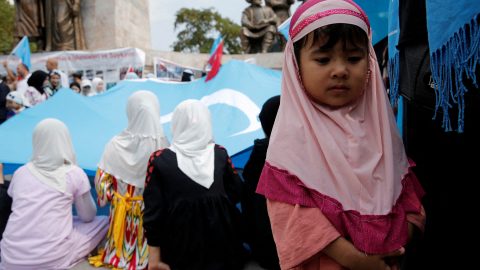
Amnesty International has launched a petition for the release of Ilham Tohti, a Uyghur intellectual imprisoned since 2014. Tohti had advocated for peaceful dialogue between Uyghurs and Han Chinese.
Surveillance Firm Investigated
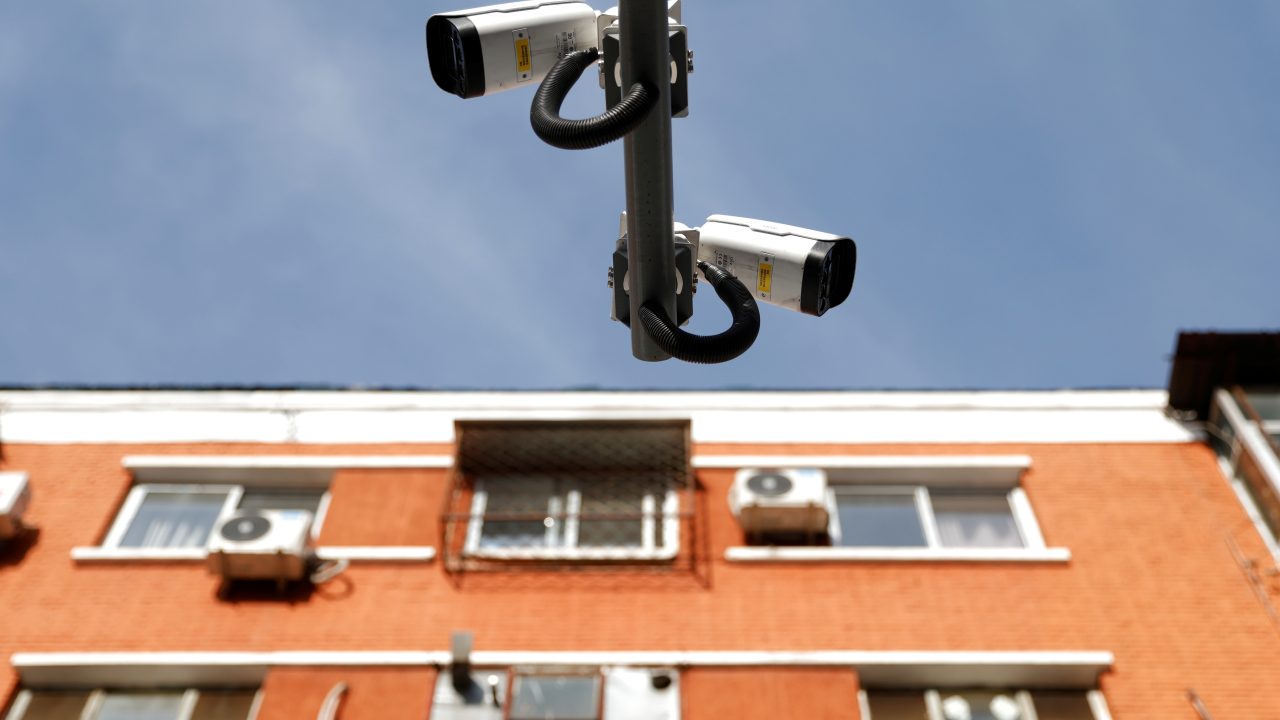
The U.S. Congressional-Executive China Commission is investigating China’s third largest security camera manufacturer, Uniview, over the allegation that it offers automated tracking of Uyghurs. If judged to be involved in human rights abuses, the firm could face sanctions from the U.S., as other leading Chinese surveillance firms already have done.
Mineral Mining
In an essay for Foreign Policy, climate theorist Ted Nordhaus suggested this week that democratic countries should accept more mineral mining to fuel a green transition in order to simultaneously move away from using mineral resources mined by China. Nordhaus said Chinese mining practices involved human rights violations and thus democracies should consider lowering their own regulations and even committing to deep sea mining.
#MeToo Activist Jailed
Prominent #MeToo activist Huang Xueqin (黃雪琴) was sentenced to five years in prison last month for activities deemed to be “inciting subversion of state power.” Prior to her arrest, she had been offering help to sexual assault and harassment survivors. Activities included arranging weekly gatherings with other activists and online human rights education.
Citizen Journalist Released
Citizen journalist Zhang Zhan (张展) was released after four years in jail last month, but Radio Free Asia reported that she was still living under restrictions. Zhang was jailed for covering the COVID-19 pandemic in Wuhan and is now said to be living under surveillance. The Free Zhang Zhan campaign said “She is at high risk of being ‘disappeared’ or arrested again.”




Leave a Reply