
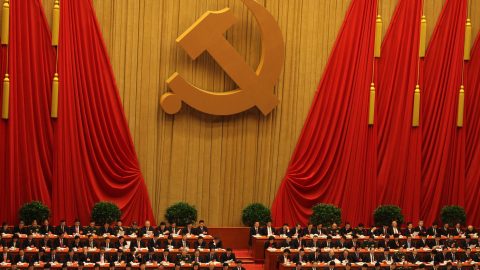
The Chinese Communist Party (CCP) concluded its Third Plenum of the 20th Central Committee on July 18, issuing a lengthy communique that was short on substantive reforms. While posing rhetoric about “reform,” the CCP leadership appears to lack concrete solutions to economic challenges. Observers are focused on potential personnel changes and how the Party leadership explains policy missteps.
Qin Gang’s Resignation
The communique stated that former foreign minister Qin Gang’s (秦剛) “resignation request” was accepted and he was relieved of his duties as a Central Committee member. This indicates that Qin Gang was not officially disciplined, suggesting he is “in the clear.”
This maneuver avoids further scrutiny or announcements about his issues and leaves room for a potential comeback. However, having been removed from his roles as Foreign Minister and State Councilor, and losing his Central Committee membership, his chances of quickly regaining a senior position in the Party are slim, instead he will probably be assigned as a researcher at one of the government operated research institutes.
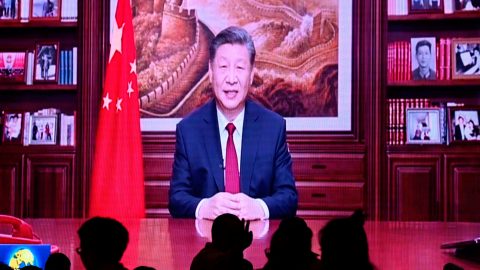
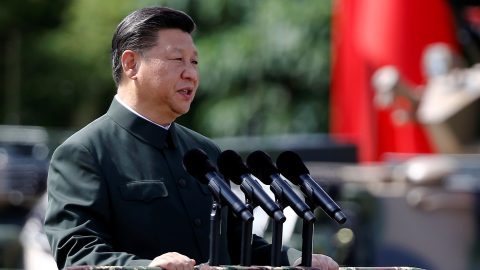
CCP leader Xi Jinping (習近平), who promoted Qin Gang, managed to protect his protege to some extent, saving face. Central Committee members likely agreed to the decision to not officially discipline him reluctantly, but private discussions and speculations are inevitable.
Handling of Fallen Officials
Former defense ministers Li Shangfu (李尚福), Wei Fenghe (魏鳳和), and former chief of staff of the Rocket Force Sun Jinming (孫金明) were expelled from the Party, but there were no public disclosures of the specific issues concerning Sun and former Rocket Force commander Li Yuchao (李玉超). Recent dismissals within the Rocket Force include former commanders Wei Fenghe, Zhou Yaning (周亞寧), Li Yuchao, and other senior officers. Notably, the ongoing shake-up in the Rocket Force has not resulted in public statements about all of the officials getting the boot, indicating deeper, undisclosed issues.
Absence of Tang Renjian
Tang Renjian (唐仁健), former Minister of Agriculture and Rural Affairs, is under investigation but this was not addressed in the plenary session. The session had 199 Central Committee members and 165 alternate members in attendance, with a few notable absences and unexplained exclusions.

Lack of Genuine Reform
The communique’s description of reforms was uninspiring and deferred the completion of proposed tasks to 2029, appearing more like a stalling tactic. The communique only briefly touched on areas such as fiscal and financial policies, land, healthcare, and the military, but these do not constitute genuine economic reforms.
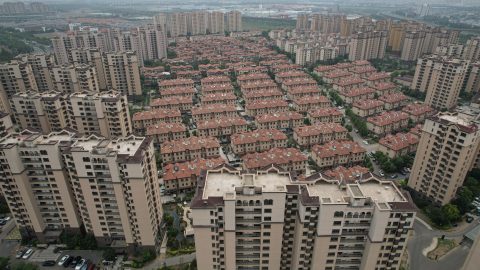
The communique reiterated general economic goals without offering new solutions, such as expanding domestic demand and addressing risks in real estate and local government debt. It also touched on “ideological risks” and “external challenges,” which was nothing new.
The CCP proceeded with the plenary session despite widespread flooding in various regions of China at the moment, with top officials distanced from disaster relief efforts and engaged in political games. The expectation of significant reforms from the CCP has diminished, both externally and internally, leaving officials in a state of unease.


Leave a Reply