To much fanfare, China announced the Joint Sword-2024B military exercises yesterday morning. However, by 6 p.m. the drills were over and Taiwan was left with more questions than threats.
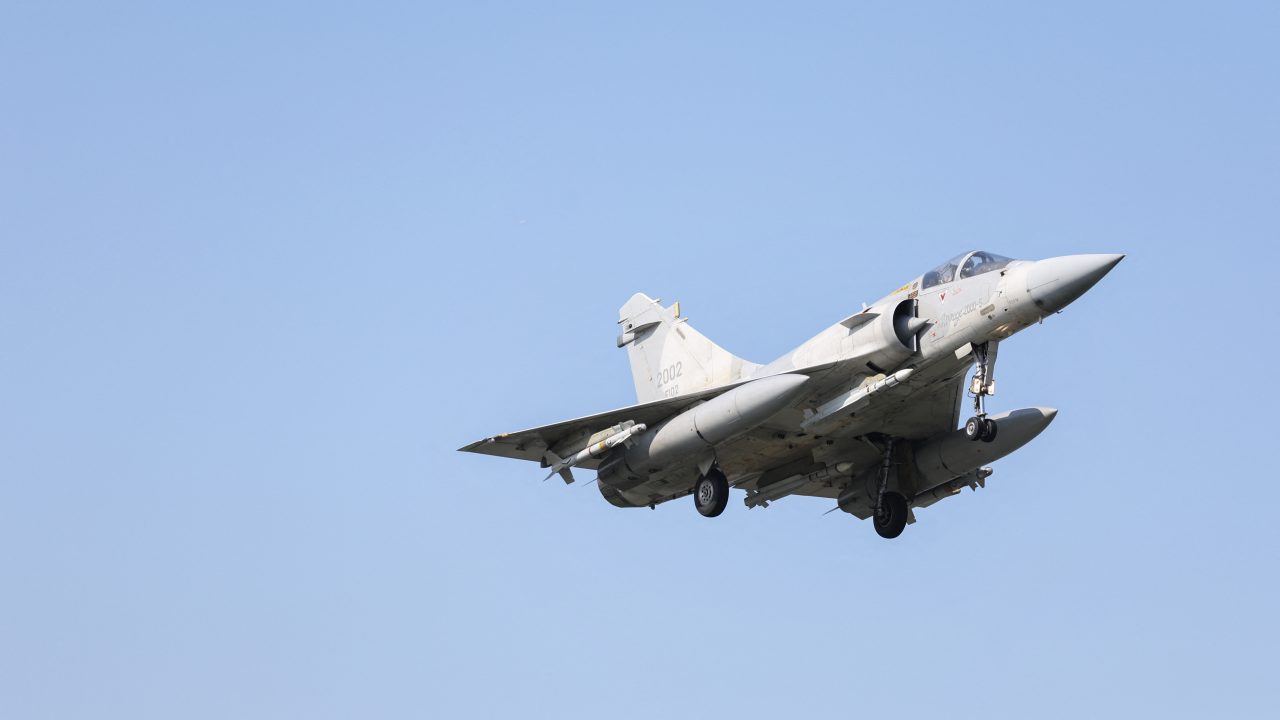
Joint Sword-2024B lasted for one day. According to Taiwan’s Ministry of National Defense, “153 PLA aircraft, 14 PLAN vessels and 12 official ships” were active around Taiwan. PLA aircraft likely includes air force planes and drones and navy helicopters and carrier-borne planes. Official ships should refer predominantly to China Coast Guard vessels, but might also include Maritime Safety Administration vessels. There doesn’t seem to be any reason to think maritime militia were involved.
At the beginning of the day, the PLA released a map showing the ones inside Taiwan’s air defense identification zone, or ADIZ, that they would be conducting exercises inside. In the evening the Ministry of National Defense appeared to confirm that these zones had indeed been followed. In the aftermath of Joint Sword-2024A exercises, the Ministry of National Defense released a new map showing that the PLA had actually exercised in small zones outside the contiguous zone of Taiwan. This morning, the Ministry of National Defense released its usual air intrusion map, which showed that some zones didn’t have any aircraft activity at all, and the information also stated that no aircraft entered the contiguous zone.
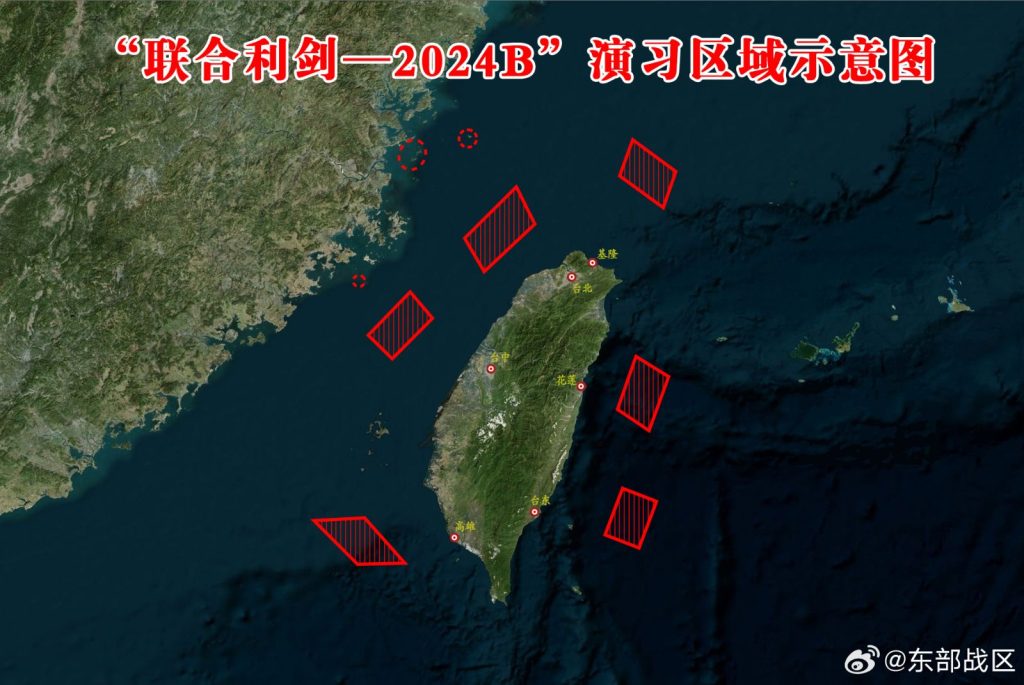
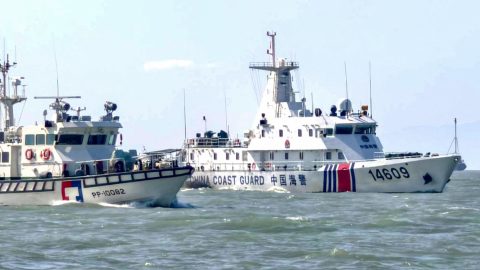
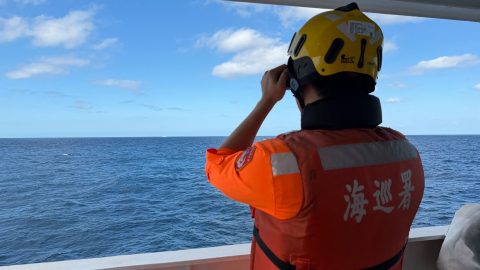
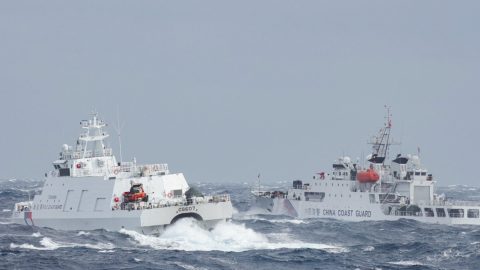
A new element was the publication of a stylized map by the China Coast Guard, showing four Coast Guard fleets loosely sailing around the perimeter of Taiwan’s contiguous zone. While the map appears to be intended to intimidate by invoking the idea of Taiwan being “encircled,” which sounds like a blockade but isn’t, Damien Symon, an independent analyst using AIS data, confirmed that the map was broadly accurate, and Taiwan’s Coast Guard Authority told the media that multiple fleets of Chinese ships were indeed sailing around Taiwan.
There is no evidence that the China Coast Guard carried out law enforcement inspections as they announced they had done. That would have been a substantial escalation. China has continually cast these drills as simulating and demonstrating the ability to impose a blockade or quarantine, but this is mostly illusory. In reality commercial shipping and the airline industry has ignored the exercises.
It is always worth reiterating that a blockade is both an act of war and simultaneously a genuine existential threat to Taiwan, not a low-risk option that China can easily impose.

According to the Ministry of National Defense yesterday’s exercises saw the highest ever incursion into the ADIZ, with 111 aircraft entering the de facto ADIZ. This is more than double any previous day’s total. No doubt this is intended to give a sense that this was the largest set of exercises to date.
And yet.
No missiles were fired by the PLA Rocket Force over Taiwan, and indeed none have been since the “first” set of exercises were carried out after former U.S. speaker of the House Nancy Pelosi’s visit. No live firing was reported during these exercises, and none was reported in the earlier exercises of 2024, Joint Sword-2024A. This has been carefully obfusticated by the way the PLA has presented the exercises, and indeed the way that much of the media has reported on them.
Although maps and propaganda released by the PLA have shown Chinese forces getting closer and closer to Taiwan, the Ministry of National Defense reported this morning that no forces had crossed into Taiwan’s contiguous zones, at least around the main island. Dongyin Island is a different story.

Most intriguingly of all, the exercises have been getting shorter. In 2022, four days were announced, but it was extended to a total of seven. In 2023, it was three days. In May of this year, two days. Yesterday, when the exercises were announced, no end date was given. This naturally led people to wonder how many days they would last, which temporarily increased, perhaps, the sense of threat that the exercises produced. But then of course the exercise finished in time for the PLA to go home and eat its dinner.
Why lead people to ask a question when the answer is not something that you want people to focus on? Possibly because “China holds major exercises” is a more attractive headline than “China ends major exercises,” and so outside of Taiwan people simply note another major event, a ratcheting up of pressure, a “blockade” imposed.
But inside Taiwan we need to look a little more closely. Holding the exercises only for a single day is so capable of being read as a sign of weakness that the PLA should not have done so for that reason alone.
And yet.
The exercises were only one day long, 13 hours really, and so now we must ask why. In August of this year, The Taipei Times reported that in 2023 China spent $15 billion on exercises in the Pacific, which was 7% of their military budget for the year. China’s military spending is famously opaque, so the percentage amount is likely lower, but this is still a large sum of money. One day of exercises, even at a record number of planes flying, is no doubt cheaper than several days with fewer aircraft in the sky.
On Saturday, China’s Minister of Finance Lan Foan (藍佛安) held a press briefing to discuss new fiscal measures to boost the Chinese economy. It’s possible, although almost unknowable, that the start of the exercises was delayed to make sure that this key announcement was clearly heard by the domestic and international audience.
In the absence of a more cogent explanation, Taiwanese should ask, is China trying to buy its aggression on the cheap? Is it trying to get the bang without the buck?



Leave a Reply