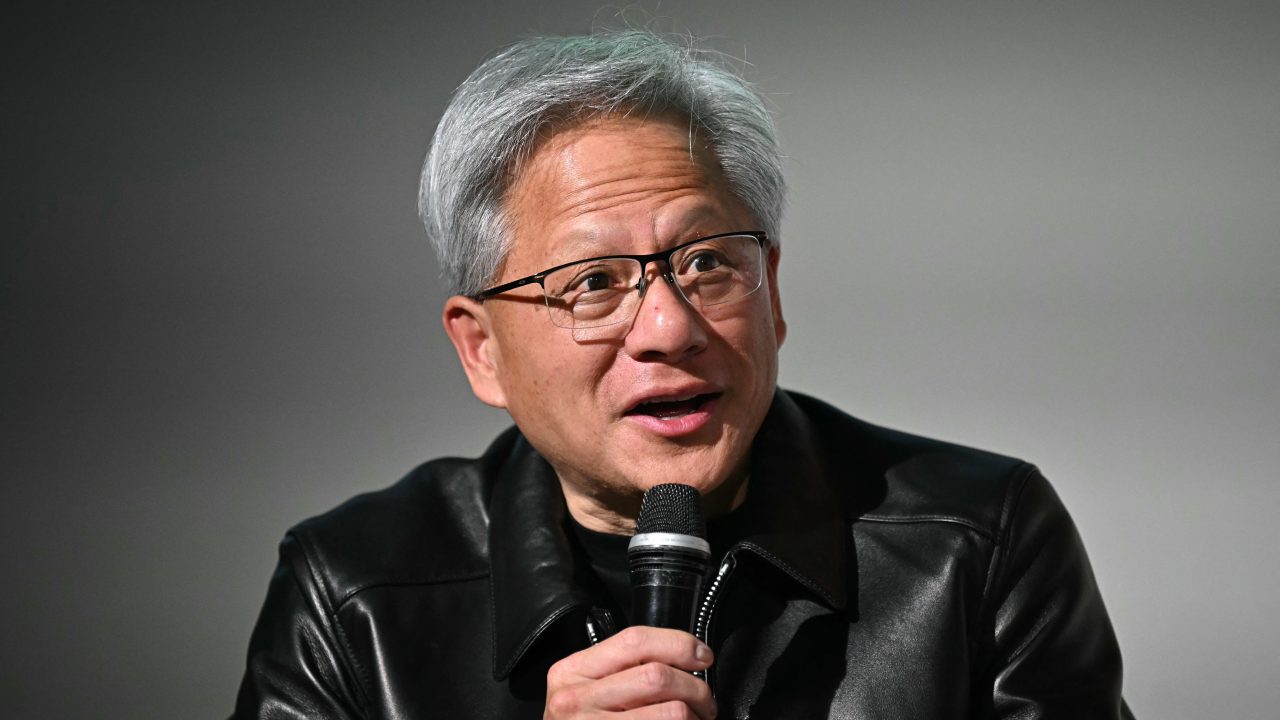
Jensen Huang’s return as chief executive of Nvidia has triggered widespread, bipartisan ire from members of Congress. The resounding concern is that Nvidia’s close relationship with the Trump administration is undermining chip export controls and thereby U.S. national security.
Less than two weeks after he stepped down amid reports about his affair with an alleged Chinese spy, Huang was unanimously reinstated by Nvidia’s board of directors on Monday. President Donald Trump said he personally convinced the board to rehire Huang.
“A critical national security threat in the Nvidia situation is that Jensen Huang shipped extremely advanced chips to China, violating U.S. export control law, in what amounts to the equivalent of selling rocket engines to the Soviets during the Space Race,” wrote Senator Chuck Schumer, who is competing to be the next Senate majority leader, in a post on X.
That Alice Huang (黃樂) was reportedly communicating with China’s top spy agency is only the tip of the iceberg when it comes to Congress’s concern about her relationship with Jensen Huang. Megaspeed, the Singaporean server company where Alice Huang was a senior executive, was a major customer for Nvidia between 2023 and 2025 and is under investigation for illegally diverting advanced chips to China.
Lawmakers will be able to ask about Nvidia compliance with export control policy next week, when Huang and Nvidia’s general counsel, Tim Teter, appear before three House committees and the Senate Banking Committee.
“The NVIDIA board’s brief internal investigation and reinstatement of Jensen Huang do not erase the national security threats and questions that must be addressed,” three Republican members of the House Foreign Affairs Committee said in a written statement.
The scandal has added fuel to several bills that target gaps in chip export controls by pressuring allies to align their chipmaking equipment controls with the U.S., allowing Congress to review licenses for AI chip exports to adversaries, and empowering the Commerce Department to regulate China’s ability to access computing power remotely.
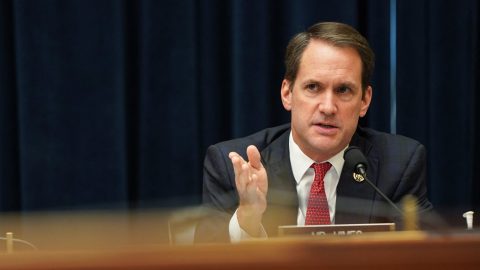
Representative Hakeem Jeffries, the presumptive next speaker of the House, has called for “ironclad export control legislation” to be included in next year’s defense bill.
“Jensen Huang’s return only increases the urgency of passing bipartisan export control bills into law and making sure NVIDIA does not lobby to kill that legislation and put our national security at risk,” Senator Elizabeth Warren, who is expected to become chair of the Senate Banking Committee next year, said in a written statement.
While the likelihood of these bills passing is higher now, longtime China analyst Bill Bishop questions whether the Trump administration will enforce them. “Trump will probably just ignore them like he ignored the TikTok Law. And there is nothing congress can do,” Bishop wrote in a post on X.
Others are concerned that the legislation currently on the table doesn’t prohibit the Trump administration from giving licenses to companies like Megaspeed. “Congress needs legislation that takes the keys away from them and says you are compelled to deny licenses in X, Y and Z circumstances, or to these countries,” Chris McGuire, a senior fellow at the Council on Foreign Relations, said on the ChinaTalk podcast. “It’s going to have to get a lot more specific, and that’s probably something for the next Congress.”
Veto-proof export control legislation, whereby Congress passes additional legislation to invalidate Trump’s attempts to sidestep export controls, will be much easier in next year’s Democratic-controlled Congress, Derek Scissors, senior fellow at the American Enterprise Institute, said in an email.
“The question is whether the new Congress will make export controls a priority,” Scissors wrote. “Jensen Huang and other super-rich public figures are deeply unpopular and export controls could become part of that larger issue.”




Leave a Reply