Hong Kong authorities and their Beijing backers have a quixotic vision: They want a city composed of 7 million servants who shut up, smile, beaver away generating wealth for them and never answer back to their orders. They also want international travel and luxury brands on tap, world-class entertainment at home, Western education and cushy jobs for their kids, judicial decisions that always favor them and the freedom to spend the money they have acquired in any manner they please. What they do not want is to ever be voted from power or become accountable for their decisions.
Given that most of the 7 million unwillingly pushed into servitude by this worldview have vocally disaccorded with it, the political elite resorted to beating, arresting and imprisoning them, but this created a whole host of new problems: Those who had been earmarked for the roles of modern-day serfs stopped making babies or left the city en masse. Money went with them. And, horrified by what they had seen, people around the world started calling for Hong Kong lawmakers, judges and police to be banned from entering their countries or interacting with their economies.

Thus, the lifestyles of the ruling class have become threatened. But their members have an answer: If the people of the city can be walled off from the outside world, terrified into silence when they do have contact with it and financially penalized for leaving, the system of overlords and underclass can be kept in place with less risk of monetary loss and international sanction. And, if the outward-facing image of Hong Kong is glitzy and glamorous, not only can new servants be attracted to the city to replace those departed, but the fate of its citizens will be forgotten forever beneath the veneer.
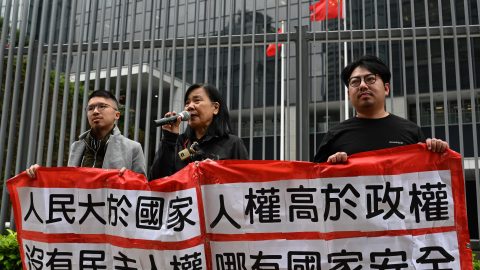
The plan has been put into action in earnest: A knife was taken to freedom of expression and assembly with the passing of 2020’s National Security Law. That stopped outward displays of discontent dead. More legislation was drafted in January 2024 to frighten Hong Kong citizens away from communicating with the global community that could speak on their behalf. The latter feigned like-mindedness with similarly themed laws from democracies such as Australia, Canada, the U.K. and the U.S. and sought to reassure multinational corporations and their c-suite jetsetters that “legitimate international exchanges” would not be affected.
However, foreboding legalese does little for a city’s image overseas, so augmentation was still required. Hong Kong authorities worked on this aspect by attempting to shut down international journalists who wrote negatively about the city, corralling support for their policies from companies with global profiles and placing tourism adverts in major media like the BBC. Yet these moves still lacked star-power.
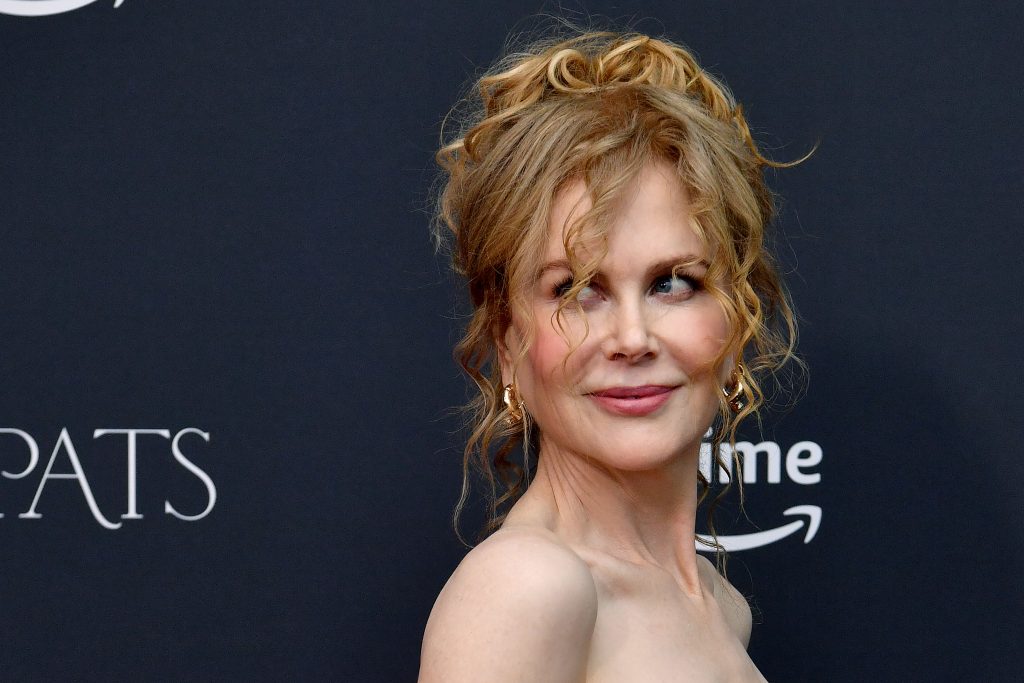
Take to the stage Oscar-winning actor Nicole Kidman and soccer god Lionel Messi, aristocrats of the sporting and Hollywood spheres, who were brought to Hong Kong to ply their trade, burnishing its image, sending a message of business as usual to onlookers in other countries and reminding locals that the rich and powerful do not give a damn about their fight for rights and democracy.
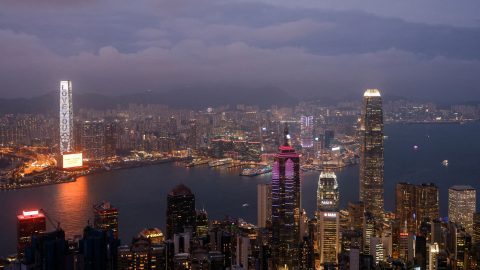
So keen were authorities for Kidman to film a trendy Amazon Prime drama named ”Expats” against the backdrop of Hong Kong’s jaw-dropping beaches, opulent apartments and seductive skyline that they waived draconian COVID-era quarantine rules for the bestowment of her presence. Messi’s footballing magic was meanwhile desired desperately enough that a $2 million government grant was dangled in front of Tatler Asia for organizing a friendly match involving his team, Inter Miami, at the 40,000-seater Hong Kong Stadium.
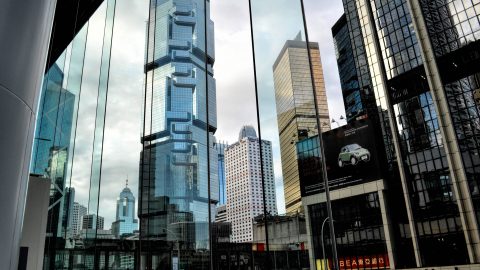
But, as with everything else from finance to policing, Hong Kong leadership’s crassness and ineptitude could not be obscured even by the brightest stars of the celebrity circuit. No sooner had “Expats” been released than it was seemingly censored in the very skyscrapers where it had been filmed for containing scenes of protest. This inspired unflattering exposure in almost every major English-language media that covers either news or culture all around the world.
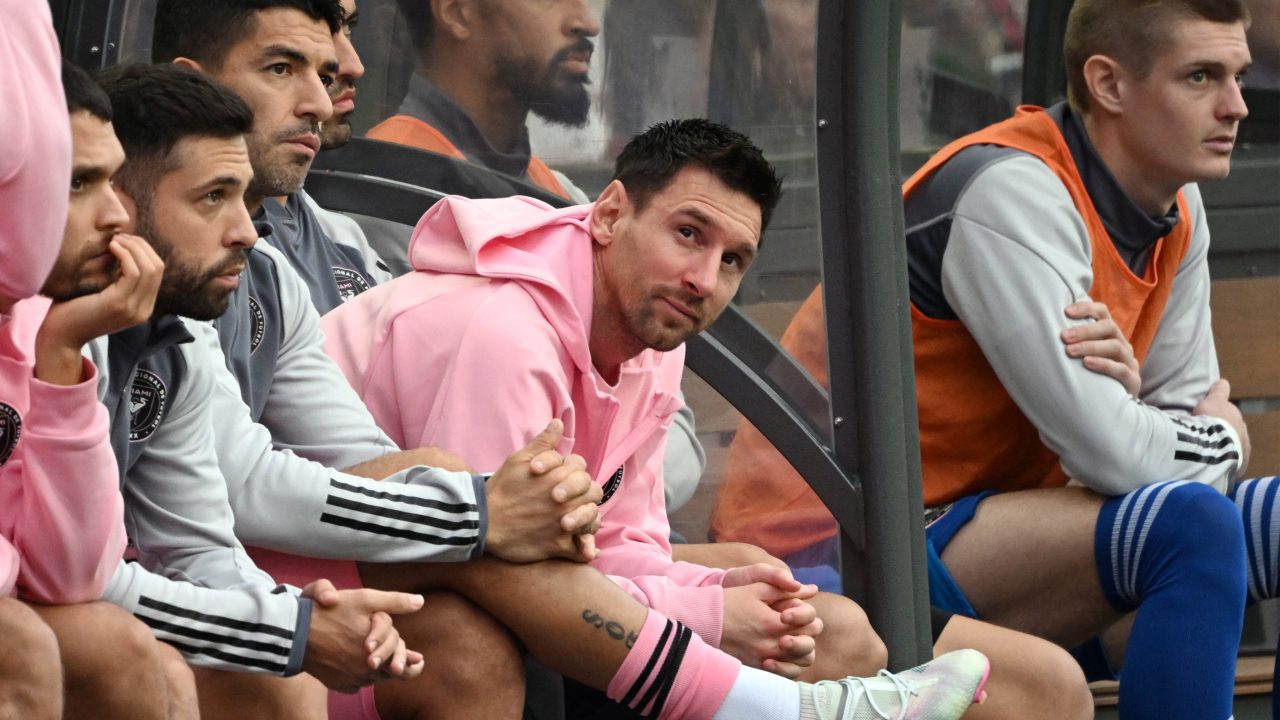
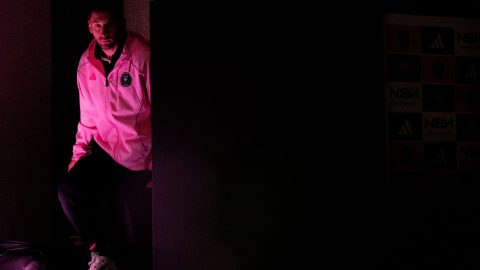
Then, the government flew into a fit of rage when Messi could not play in the Inter Miami friendly due to injury. Hong Kong Chief Executive John Lee Ka-chiu (李家超) demanded an explanation from Tatler, decried the “significant impact on Hong Kong’s image and reputation” and implied more government interference in future mega-events.
Joining in, the Chinese Communist Party’s propaganda machine pumped out a lame conspiracy theory that the soccer player’s non-appearance could have been orchestrated by “external forces” seeking to show up Hong Kong, and senior Hong Kong government advisor Regina Ip Lau Suk-yee (葉劉淑儀) declared, “Hong Kong people hate Messi, Inter-Miami and the black hand behind them, for the deliberate and calculated snub to Hong Kong.”
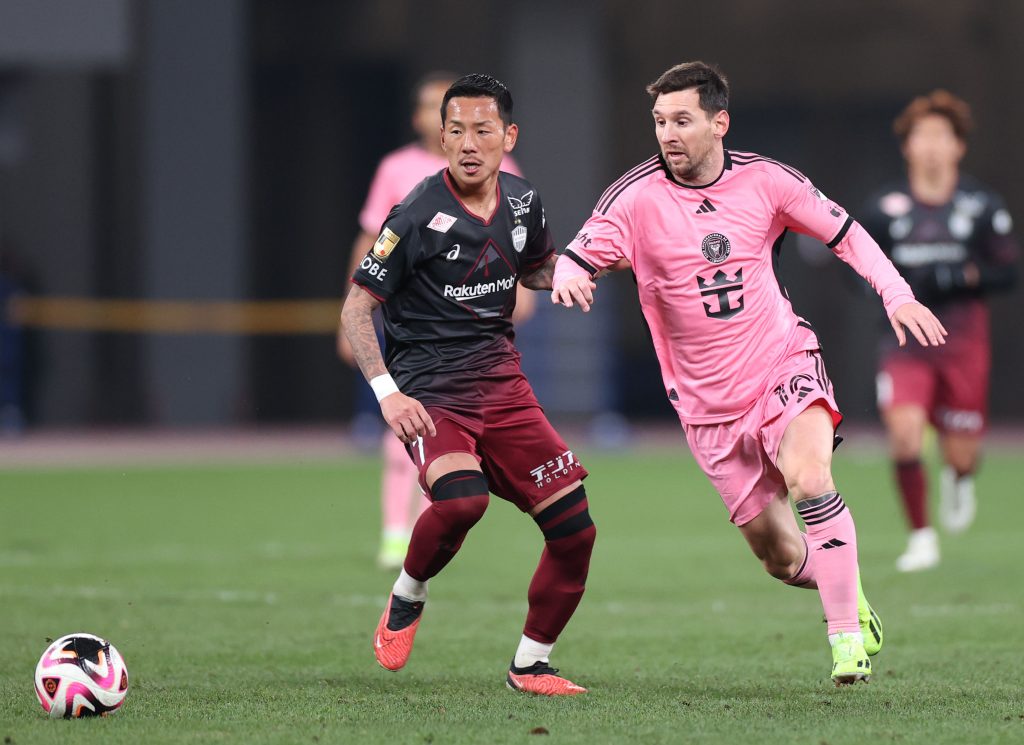
None of these figures displayed any sense that their words would worsen perceptions that Hong Kong’s rulers are both delusional and rabidly autocratic or serve as fuel for pro-democracy voices, who ridiculed the failure to sportswash rights abuses, bathed in the schadenfreude of Messi playing in Kobe a couple of days later and surfaced the forgotten story of a photograph signed by the player that was intended as a gift to Liu Xia (劉霞), poet and wife of the late Nobel Prize-winning Chinese dissident Liu Xiaobo (劉曉波). A local resident carrying the photo was allegedly tortured by mainland agents in 2017, when such shadowy figures were not supposed to be active in Hong Kong under the “one country, two systems” policy.
Caught in the uproar, Tatler Asia has withdrawn its application for the abovementioned grant, a move that will serve as an enormous, bright, flashing, red light to any other company that considers one day hosting an event in Hong Kong and, at the very minimum, cause them to raise their fees exorbitantly for doing so.
Likewise, the castigation of Messi and Inter Miami in the very distinctive language associated with Chinese national security laws will make any serious athlete or sports player think twice about exhibiting their skills to a Hong Kong audience, knowing that to do so would mean a possible choice between exacerbating injuries or becoming part of a show trial.
Needless to say, the next person who seeks to shoot a glossy, fashion-forward series about the lives, loves and escapades of high-flying executives in a captivating cityscape will look past Hong Kong as the setting, too. Frankly, as the censorship of “Expats” amply demonstrates, it is no longer an alluring place to be.


Leave a Reply