China Joins Major Fishing Treaty
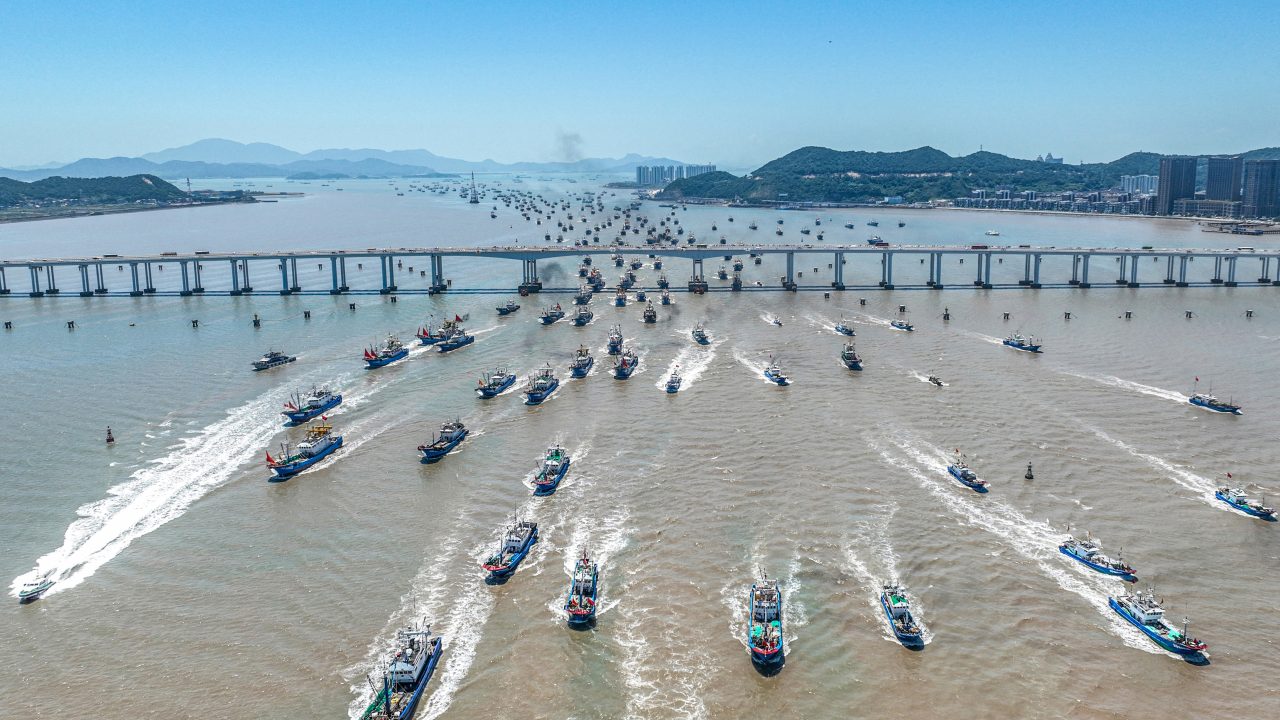
China has ratified the United Nations Food and Agriculture Organization’s Agreement on Port State Measures, the only legally binding international treaty in the world to target illegal, unreported and unregulated fishing, or IUU. According to the U.N., the treaty’s objective “is to prevent, deter and eliminate IUU fishing by preventing vessels engaged in IUU fishing from using ports and landing their catches.” It does this in part by requiring member states to enforce stringent checks at their ports.
The move is significant because China captured more fish than any other country in 2022 (13.0 million tonnes in the most recent year for which the U.N. offers a total) and its fishing fleet has consistently been accused of human rights and environmental offences. The Pew Charitable Trust has also identified China as having the top ten busiest ports in the world. In response to the signing of this treaty, Pew said: “With its massive fishing fleets and busy ports, China can play a key role in addressing IUU activity and, by extension, help strengthen port controls around the world.”
China is not yet a full party to the agreement, though. Ratification means it commits to taking actions which prepare it to become a full party.
South Korea Blocks DeepSeek
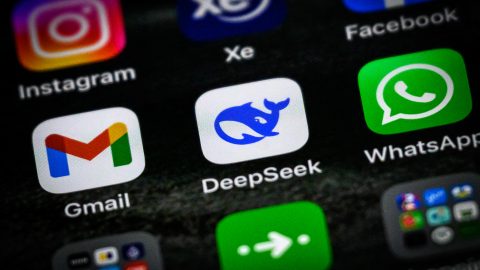
South Korea’s Personal Information Protection Commission has concluded DeepSeek, the Chinese-made large language model app, was taking personal information from local users and transferring it to China and the U.S. without their permission. DeepSeek was blocked from South Korean app stores in February, ahead of this investigation, and the company is now cooperating with the Personal Information Protection Commission over concerns.
U.S. Report Accusations Against DeepSeek
The U.S. House of Representatives Select Committee on the Chinese Communist Party’s latest report suggested “More than 85% of DeepSeek’s responses are manipulated to suppress content related to democracy, Taiwan, Hong Kong, and human rights — without disclosure to users.”
U.K. Government Targets Parts of Chinese State
The U.K. government may be planning to include some parts of the Chinese state on its new list of foreign entities which require enhanced scrutiny. The enhanced tier of the U.K.’s new foreign influence registration scheme requires anyone directed to act by named entities to declare that relationship or risk up to five years in prison. Ministers in the U.K. are considering including parts of the Chinese state accused of interference activities in this tier, likely including the United Front Work Department.
In 2022, MI5’s director general, Ken McCallum said “the Chinese intelligence services, or bodies within the CCP itself — such as its United Front Work Department — are mounting patient, well-funded, deceptive campaigns to buy and exert influence” in the U.K.
U.K. Government Energy Amendment
After pressure from the Inter-Parliamentary Alliance on China, known as IPAC, the U.K. government has added an amendment to its new green energy bill that requires its new state-owned energy company to take measures “to ensure that slavery and human trafficking is not taking place in its business or supply chains.” Prior to that, the U.K.’s government has been consistently criticized for supporting the purchase of solar panels from China, which have been linked to forced labor.
‘Facade of Rights’ in Tibet White Paper
The Chinese government’s new white paper on human rights in Tibet has been accused of “erasing Tibet through language” by the Central Tibetan Administration, which defines itself as a government in exile of Tibet. “China has made a deliberate effort to avoid using the word ‘Tibet.’ Instead, it has adopted its own nomenclature of Xizang,” the administration said in a statement. The same statement accused the paper of creating a “facade of rights” in its claim to share the “aspiration for every individual to fully enjoy their human rights” while rights abuses in the region continue.
U.S.-Thai Trade Talks Stall Over Uyghur Deportations
Relations between Thailand and the U.S. look to have been damaged by Thailand’s deportation of a group of Uyghurs back to China last month. Thai Defence Minister Phumtham Wechayachai has been forced to deny rumours he had been denied a visa to visit the U.S. after he and several other ministers did not travel to the U.S. for trade talks. Thai Prime Minister Paetongtarn Shinawatra said talks had been postponed while Thailand worked on “issues” the US wanted it to address.
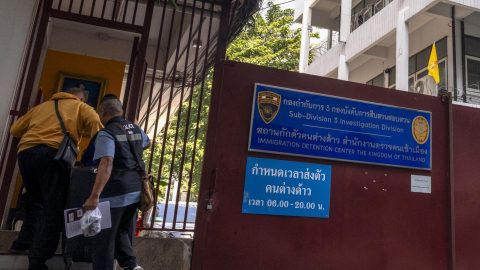
After 40 Uyghurs were deported to China from Thailand last month, a further eight Uyghurs who were part of the same group are now at risk of the same fate. The men were held in a Thai immigration detention center from 2014, when they attempted to flee China via Thailand.
Last month, Thailand’s Deputy Prime Minister Phumtham Wechayachai and Justice Minister Tawee Sodsong visited Xinjiang to check on the state of the Uyghurs sent back. Phumtham denied that the reactions of people they met were staged. One Thai journalist who went with the delegation to Xinjiang said they had photos checked and deleted before they were allowed to return to Thailand.





Leave a Reply