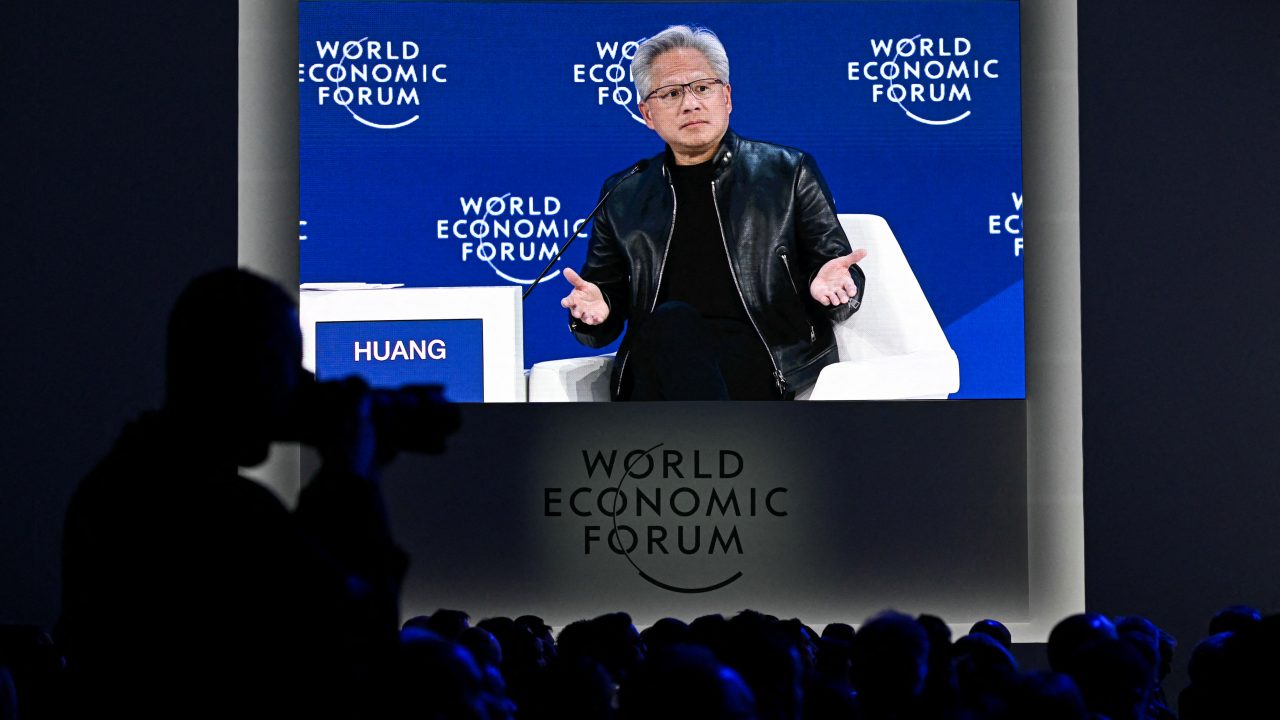
Chinese regulators have reportedly approved the first shipments of the H200, the flagship AI chip from Nvidia’s previous generation that had been banned under U.S. export controls. President Donald Trump’s December decision to reverse that ban, and now Beijing’s decision to allow Chinese companies to buy the chip, are the culmination of a lobbying effort on the part of Nvidia’s CEO Jensen Huang that spanned both sides of the Pacific and much of the first year of Trump’s second term.
According to Reuters, three Chinese tech giants — Alibaba, Tencent and ByteDance — will be allowed to purchase a combined 400,000 H200s. Chinese AI upstart DeepSeek, which shocked the world last year by developing a low-cost alternative to leading U.S. large language models, will also get a bite at the pie, contingent upon regulatory conditions that are still being hammered out.
China hawks in Washington, who played a leading role in the tech policy of the first Trump and Biden administrations, were long seen as the largest barrier to Nvidia’s ambitions in the Chinese market. But in recent months, it has been the Chinese government pumping the brakes.
In September, Beijing prohibited Chinese firms from purchasing the H20, a pared-down version of the H200 on which Trump had also relaxed export controls. That move was in line with China’s drive for high-tech self sufficiency, a geopolitical imperative that it doubled down on in its latest five-year plan.
With the careful approval of some H200 orders, Beijing appears to be taking a middle road. The move will somewhat sate the appetite for Nvidia chips at the country’s tech giants, which has remained ravenous despite Beijing’s massive investments in its own chipmaking capacities.
At the same time, China has reportedly considered requiring that its tech giants couple their purchase of H200s with a commitment to buy chips from leading domestic manufacturers like Huawei. Such a move would allow Beijing to maintain its stated commitment to self-sufficiency.
In the long term, China would prefer to make all its own chips. But for now, the benefits of supercharging China’s AI growth appear to outweigh its commitment to domestic manufacturing.
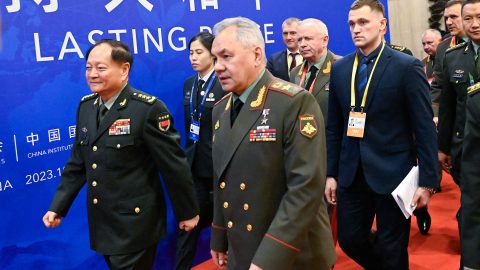
Chief among those benefits, according to U.S. experts, is the contribution that frontier AI models could make to the Chinese military.
Of the four firms that have reportedly been approved to purchase H200s, Tencent — the maker of WeChat, the world’s second largest messaging app — is the only one that appears in the U.S. Department of Defense’s list of companies that work with the Chinese military.
But that isn’t for lack of national security concerns about the other three.
Suspicions of Alibaba’s ties to the Chinese military go back to its initial public offering on the New York Stock Exchange in 2014. In November, the Pentagon moved to add Alibaba to the Chinese military company list. (It has not officially appeared on the list yet.)
National security concerns about ByteDance have centered more on the potential for the company to use TikTok as a tool of cognitive warfare against the U.S. But even the maker of a platform for comical short videos has faced scrutiny for its military ties.
“ByteDance is not just a tech company; it is a cog in China’s vast military machinery,” the Foundation for the Defense of Democracies, a U.S. think tank, said in 2024.
According to a letter from John Moolenaar, the Michigan Republican who chairs the U.S. House Select Committee on China, to U.S. Commerce Secretary Howard Lutnick that was reported on by Reuters last week, Nvidia has worked directly with Deepseek to hone its frontier models.
Those models were then later used to assist the Chinese military, Moolenaar reportedly said.
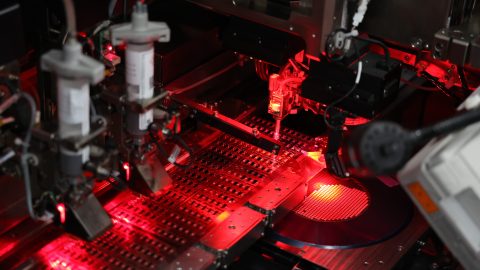
The massive jump in computing power that Nvidia’s chips would bring to Chinese firms isn’t just relevant to frontier AI models. The H200s could also be repurposed to serve the PLA directly. In the past, China has leveraged Western supercomputers to enhance the design of advanced weapons systems, including a large fraction of the fighter jets it now has pointed at Taiwan.



Leave a Reply