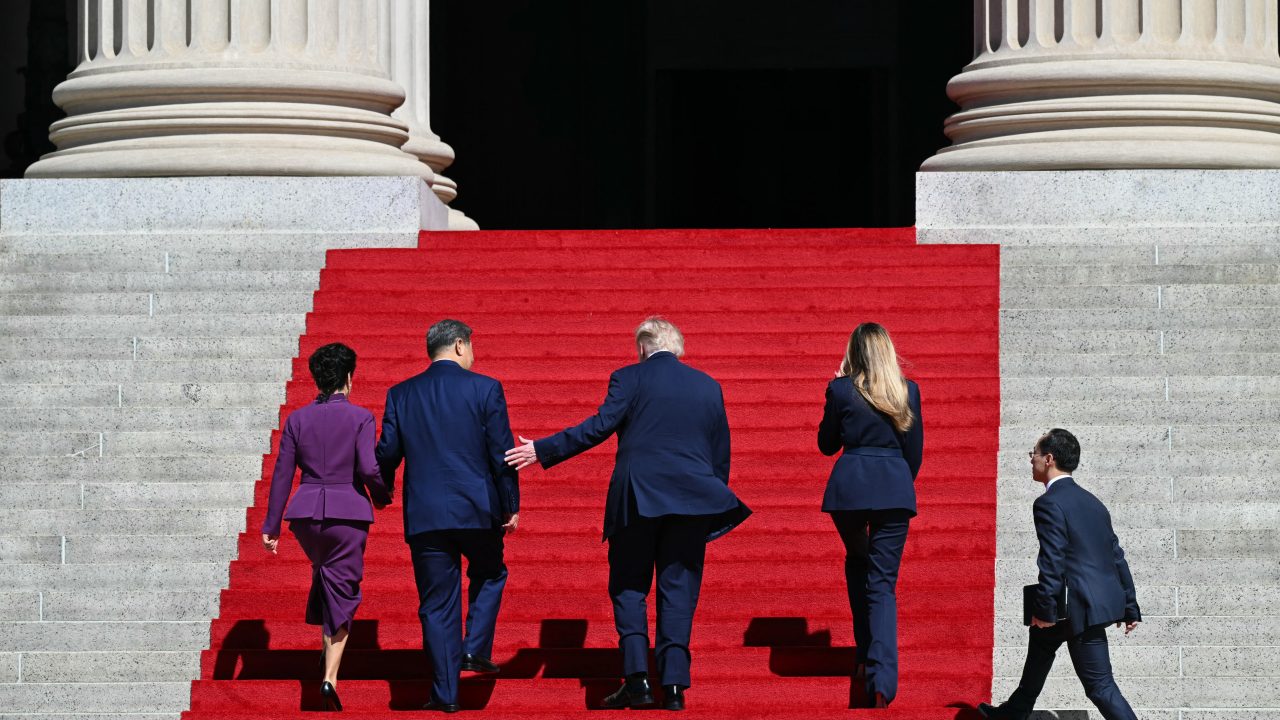
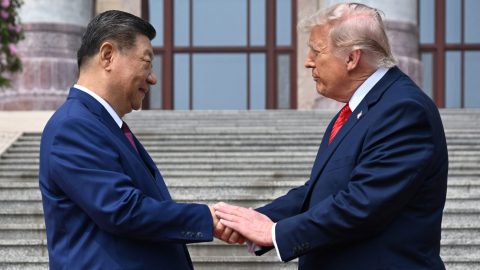
Xi Jinping’s (習近平) visit to Washington last month was heavy on pageantry but light on substance. Why?
According to conventional wisdom, the reasons were strategic. China wanted time to shore up vulnerabilities in its economy. The U.S. was cowed by the threat of another Chinese crackdown on rare earth exports. Combine that with Trump’s emphasis on personal relationships in foreign policy, and a summit devoid of tough conversations on real issues makes sense.
But a string of recent reports suggests that something else might have been going on.
Reporting from Beijing, the South China Morning Post revealed on Tuesday that China’s repeated efforts to plan a more substantive itinerary were rebuffed by U.S. officials.
“Beijing suggested Xi could engage with the American business community and public, pushed to raise dozens of diplomatic and security issues with Trump, and proposed talks on artificial intelligence between Chinese and American executives,” the newspaper reported, citing “people with knowledge of the matter.”
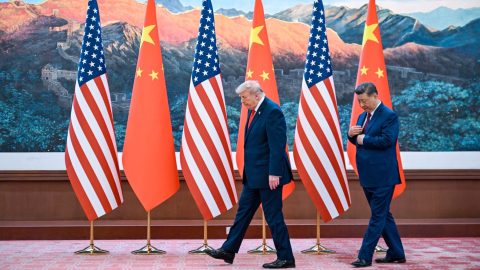
The U.S. side apparently rejected those suggestions, according to the report, arguing that the visit should be equivalent to Trump’s three-day summit in Beijing in May, where the leaders also sipped tea and toured historic sites.
But Dennis Wilder, a former senior U.S. intelligence official, was skeptical. “This SCMPNews story looks fanciful,” he wrote on social media. “I think anonymous sources in Beijing are trying to beat back the stories of Xi’s frailty by claiming he sought a robust US visit. Seems pretty transparently propaganda to me.”
The backstory is this. On Monday last week, The Wall Street Journal published a story with the headline: “Unusual Rest Breaks for Xi Jinping Sucked Hours Out of Summit With Trump.” According to the article, Beijing requested a private room inside the West Wing for Xi to take rest breaks between events.
That request, along with the Chinese side rejecting a U.S. suggestion that Trump and Xi hold a working lunch, as they had in Beijing, contributed to the summit’s thin schedule. When Trump took Xi to visit the National Archives on the final day of the visit, the Chinese leader only spent about 10 minutes inside, according to the Journal’s sources.
The Journal’s report, like the South China Morning Post one that followed it, was based on unnamed sources. And presumably the information on Xi’s rest breaks came from people on the U.S. side.
But it also quoted Wilder, who said that the hold-room arrangement in the West Wing was unprecedented. Wilder also found the length of substantive discussions during the summit, which totalled only a few hours, unusually brief. “That’s amazingly short for a summit like this,” he said.
Wilder’s suspicion that Chinese officials are using anonymous tips in the South China Morning Post to shape the narrative around Xi comes in the aftermath of a summit that left many observers underwhelmed.
It also sheds light on media coverage of a related issue: Why didn’t Xi give a speech at the United Nations while he was in the U.S.?
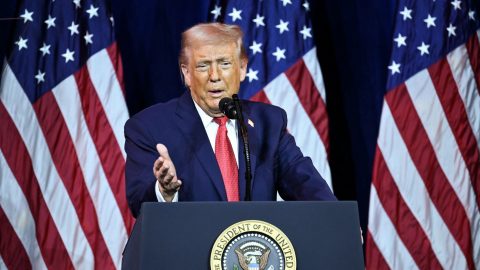
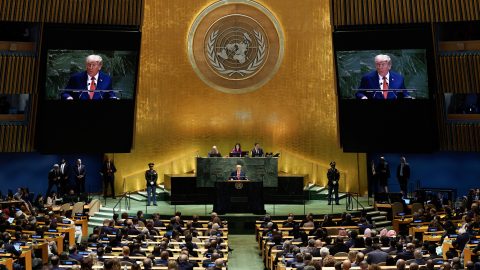
Trump addressed the General Assembly on September 22, a day before Xi arrived in Washington. Had Xi come a day earlier, he could easily have delivered a speech of his own.
According to a report from Nikkei Asia, Xi chose to skip the U.N. to send a signal that China is the United States’ equal. “Beijing limits leader’s visit to 3 days, mirroring Trump’s trip in May,” the article’s subheadline read.
“According to the Chinese government source, Beijing prioritized sending a message to the rest of the world that China was on an equal footing with the U.S.,” the article read.
It’s not clear how Xi skipping the U.N., where Trump himself gave a speech, signals that China is on an equal footing with the U.S. And if the point is that Xi will only travel to the U.S. for bilateral summits, then it’s hard to explain Trump’s planned visit to Shenzhen for APEC next month.
Let’s review. The South China Morning Post’s Beijing sources say China wanted a much longer trip, but the U.S. side wouldn’t agree. Nikkei Asia’s Beijing sources say China limited the length of the visit to show that Xi is Trump’s equal. One of these anonymous sources isn’t telling the truth.
As for The Wall Street Journal’s reporting, one could argue the Washington sources are playing the same manipulation game they play in Beijing. But it’s hard to ignore the images of Xi walking down the ramp at Joint Base Andrews, holding on for dear life to his wife’s hand.
America is no stranger to aging leaders who stumble around, clearly in the grips of physical decline, yet surrounded by a loyal cadre of advisors who insist nothing is wrong. Look how that turned out.
Leave a Reply