
This can’t go on. But it does. For decades Western commentators on China’s economy have predicted collapse, and for decades China has proven them wrong. The 10-month delay of a crucial event in China’s political calendar, known as a plenum, has raised eyebrows as China’s economy continues to suffer from insolvencies in the real-estate sector, low consumer spending, a shrinking workforce and a fragile relationship with the U.S.
But finally, two weeks ago, with whatever problem or internal dispute that caused the delay ironed out, the event was scheduled for July. The state-run Xinhua news agency has said the meeting will focus on deepening reforms and modernizing China.
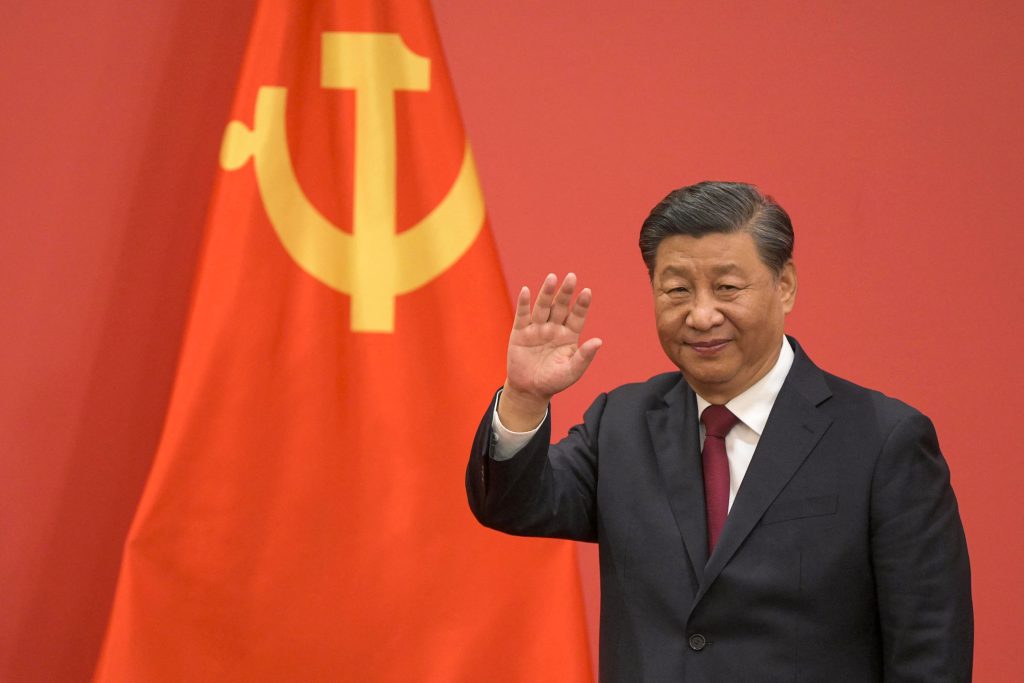
The plenum will provide clarity about future economic reform. David Lubin, senior research fellow at Chatham House, a think tank, explains that ‘‘weaning the economy off of its dependence on real estate investment is non-negotiable.”
There are already clues about how this process might be achieved. The third plenum communique may expand on Xi Jinping’s New Development Pattern, introduced in 2020, which outlines a strategy to drive growth through investment in key emerging sectors.
This is already taking place, as cutting-edge, cheap Chinese EVs and solar panels flood foreign markets, products of China’s $1.6 trillion annual investment in “new productive forces,” according to an estimate by The Economist.
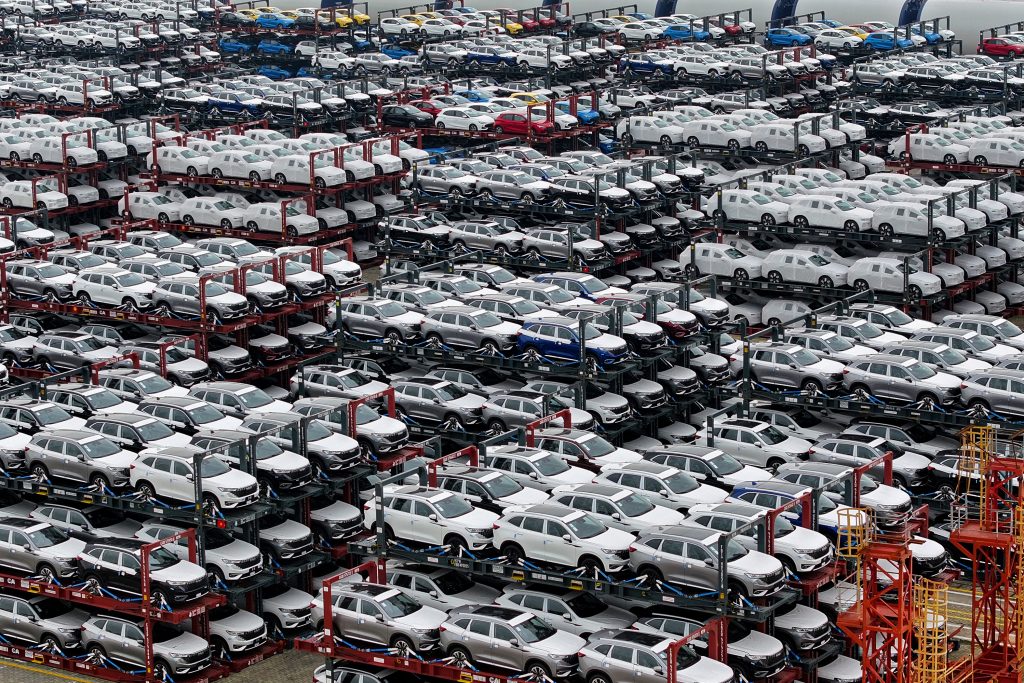
“They’re shifting investment from property to manufacturing. There isn’t any domestic demand for this manufacturing, so it’s being driven primarily by exports” says Richard Hornik, adjunct senior fellow at the East West Center. “This is angering previously easygoing partners like the European Union.”
For Hornik this rechanneling of investment ignores the fundamental problem with China’s economy, which is that it has relied on central investment and exports, rather than domestic consumers. This partly means that prices are dictated by government controls and subsidies, rather than a free market.
“It’s a lot easier to control everything if you have an investment-driven economy as opposed to a consumption-driven economy”, says Hornik. “If China wants to shift the economy to a consumer-driven model as opposed to an export- and investment-driven model, it needs to let house prices come down,” he says.
“This would have a lot of advantages. Young people in China often can’t afford housing, making marriage difficult. The birth rate is plummeting at least in part because of the real estate crisis.”
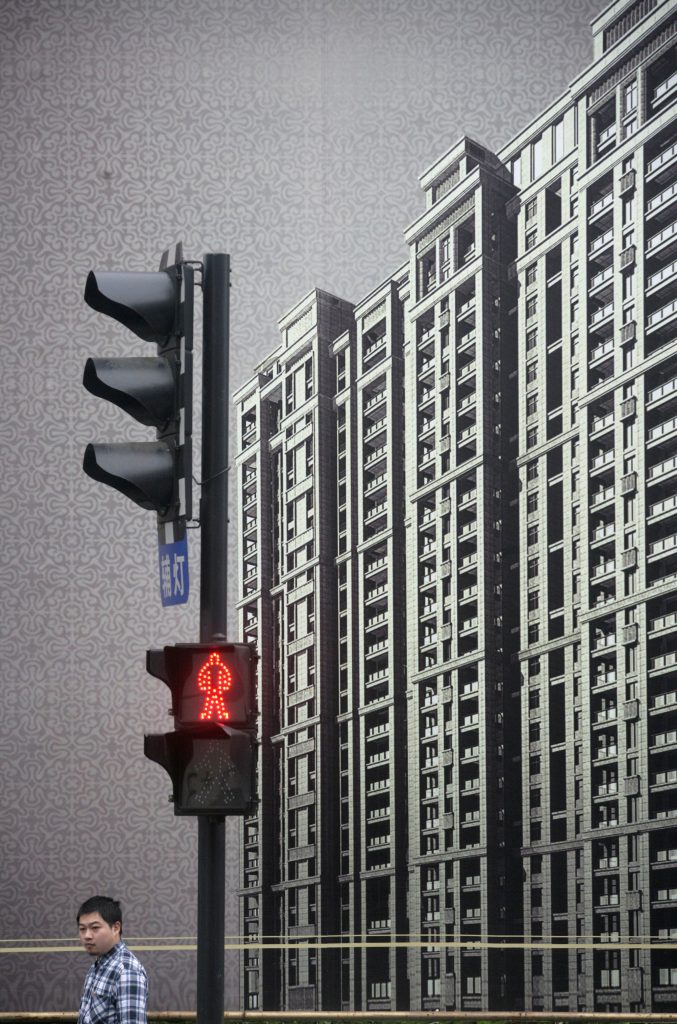
This is unlikely to happen, however. Real estate assets account for a staggering 62% of household wealth, an extraordinary figure partly explained by the Chinese government limiting its population’s investment options to real estate. This makes releasing central control of house prices politically untenable, as it would tank the value of the Chinese population’s savings and hurt consumer sentiment even more.
Increasing domestic consumption through stimuli like improving social security is also unlikely. “Xi Jinping is dead set against welfarism,” says Lubin from Chatham House. “He sees it as cultivating laziness.”
In attempts to motivate a generation of young people who are famously “lying flat” amid bleak prospects for personal advancement, Xi has described “working hard” as “the brightest color of youth.” Last year China stopped reporting youth unemployment figures after they reached 21.3%.

New, lower youth unemployment figures are now being reported under a new methodology. This is one example of a broader trend. Last year China passed several amendments to its Counterespionage Law, which criminalizes the reporting of business data that may suggest a sluggish economy. As the Financial Times reports, new measures also apply to foreign actors, making full and transparent reports to international investors in a poor economic climate effectively illegal. As measures like this take hold in the coming years it will become harder to accurately assess how the Chinese economy, balanced or unbalanced, is faring.
“Lots of economists debate the rebalancing of the Chinese economy. What they almost always mean is reducing the economy’s dependence on investment spending and increasing its dependence on consumption” explains Lubin. “But this is not at all what’s in the authority’s minds. In their mind the only concept of rebalancing that makes sense is a kind of intra-investment rebalancing, a reallocation of investment within the system away from property and towards something else.”
“Reducing investment in real estate will free up capital and credit resources which can migrate to other sectors. Namely tech, green energy and agriculture.”
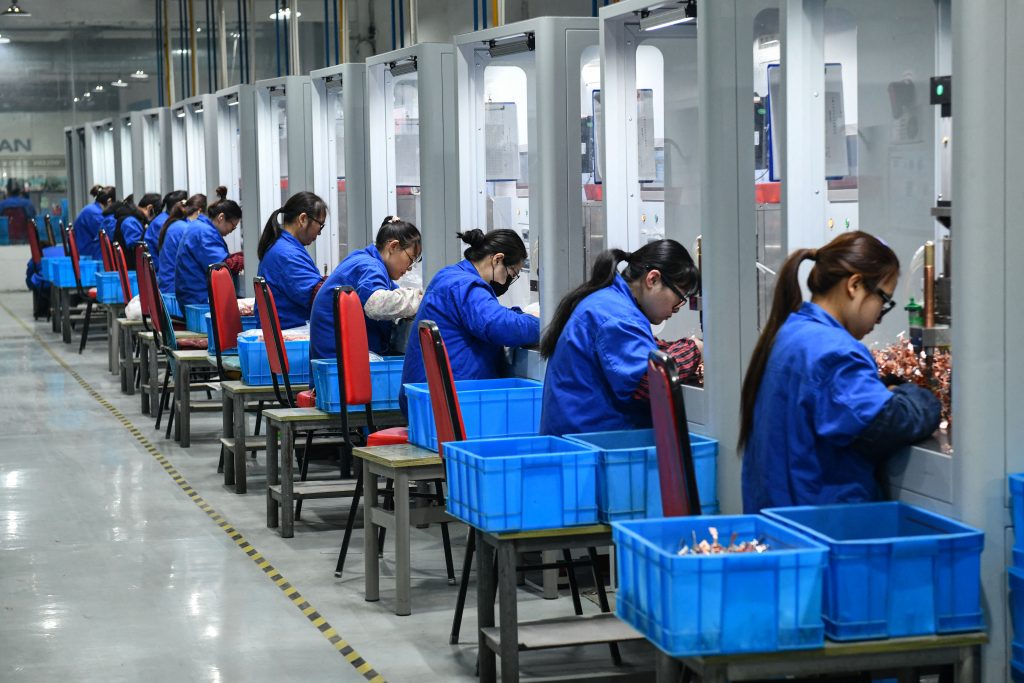
These sectors are all what Lubin calls “import substituting”: They help reduce the Chinese economy’s reliance on the rest of the world. “The tilt towards import substitution is one important goal in increasing the sanctions absorption capacity of the Chinese economy.”
The prioritization of national security is one of Xi Jinping’s signature economic policies. His predecessor Deng Xiaoping, who in a third plenum in 1978 momentously opened up China to foreign investment, famously said “development is the absolute principle.” In 2017, Xi pressed the idea that both development and security are absolute principles.
Since the outbreak of conflict in Ukraine, sanctions have been used extensively against Russia by Europe and the U.S. Xi’s pursuit of economic self-sufficiency is a way of insulating China against the threat of similar tactics in the future.
Although not confident that this approach will effectively tackle China’s economic problems, Hornik of the East West Center warns against an overly apocalyptic view of China’s economy as the Chinese Communist Party prepares for the third plenum. “China has an enormous ability to kick the can down the road. It has proven to be very resilient.”
“It’s safer to view the impact of this as an opportunity cost. The Chinese economy could grow 5% a year over the next decade. In reality it will probably only grow about 3%.”
The social cost of this 2% could be enormous, meaning lower incentives and higher levels of poverty. As deflation lurks, Hornik echoes fears that, like Japan, China’s boom decades may be followed by the economic stagnation that has plagued its neighbor for decades.




Leave a Reply