Iran’s experience fighting against a great power offers lessons for Taiwan, but they won’t be easy to learn.
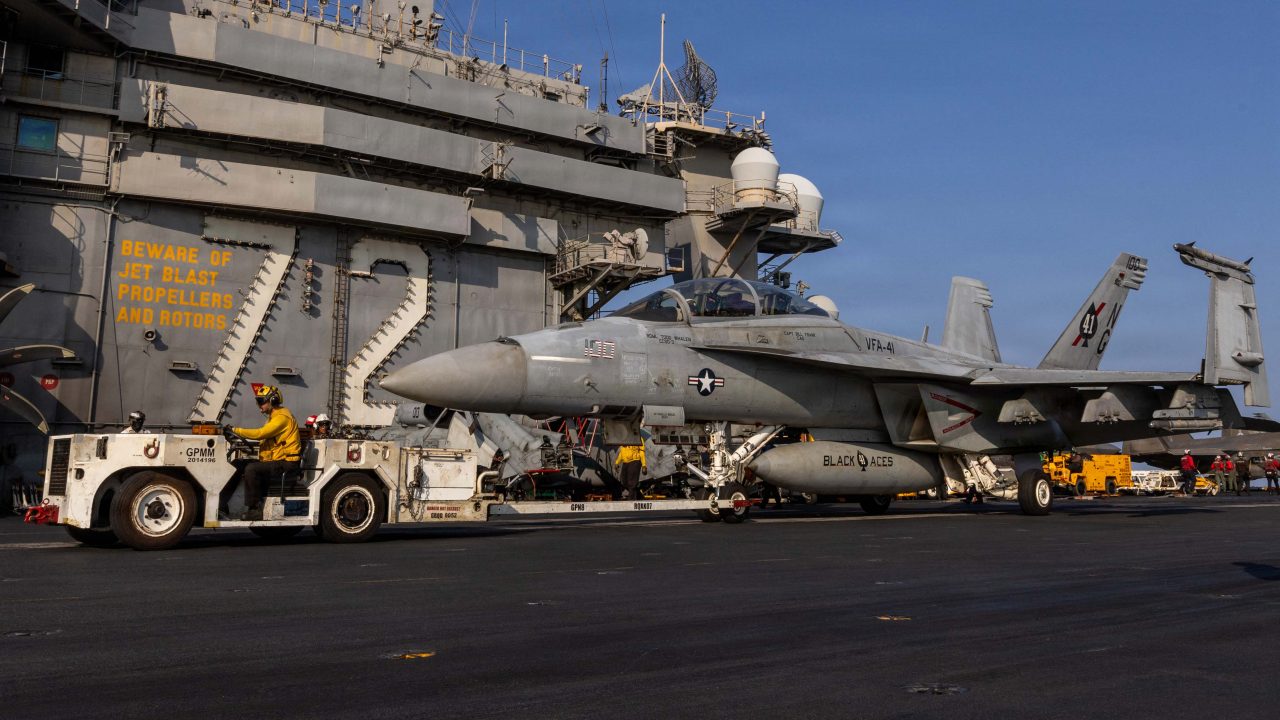
Much of the analysis of what Taiwan can learn from the war in Iran has understandably focused on the performance of American systems that Taiwan fields. For the most part those weapons performed well, even if the U.S. used more of them than some would like.
But while the success of these systems may be encouraging for the U.S., which would also have flexibility in positioning its forces in the event of a war with China, Taiwan is naturally more constrained, and would face the full brunt of Chinese attacks at relatively short range. Even if Taiwan’s air defense performs superlatively, there are simply not enough interceptors in Taiwan to stop the number of missiles China has at its disposal.
And that’s where lessons from the Iranian side come in, because while Iranian air defense did not perform particularly well, it was still able to preserve some of its offensive firepower through other means.
One way that Iran was able to maintain its assets in the face of U.S. and Israeli attacks was through dispersal, said Edward Hunt, an aerospace and defense consultant. Taiwan has the potential to do the same, he argued, but with a catch: “Make sure your sh*t is parked in small garages around the country.”
Taiwan’s west coast plains are some of the most densely populated regions of the planet, a combination of purely urban and relatively urbanized rural and mixed use areas. In short, there is an almost infinite supply of places where wheeled missile or drone launchers could be concealed, but most of them are very close to, or even under, civilian dwellings.
This is a conversation that Taiwan has barely even started to have. The idea of what it would look like to defend Taiwan against China has been very much about the beaches and the landing grounds, and rather less about the fields and streets and hills. There are signs that this is starting to change, but it’s hardly a comprehensive national dialogue.
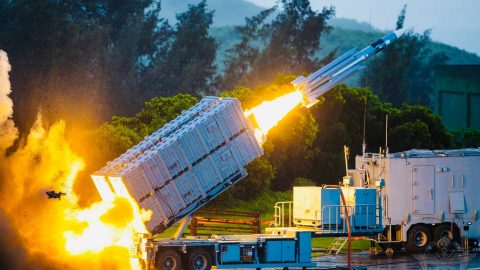
Taiwan also has large swathes of virtually uninhabited mountainous terrain, and a Cold War legacy of military bunker complexes, many abandoned but some still in use. Taiwan could ensure that it has “deeply buried, hardened stockpiles that are distributed” where it can “send out kind of small groups of launchers to do a quick pop-up attack, and then hide again,” said Eric Gomez, who runs the Taiwan Arms Sale Backlog tracker at Taiwan Security Monitor.
But that obviously requires a level of preparation that is neither publicly apparent nor documented.
By preserving its strike capacity — dispersing, concealing and even burying it — Iran was effectively able to close the Strait of Hormuz to commercial shipping without actually sinking any ships. All while losing the majority of its own surface fleet to U.S. attacks.
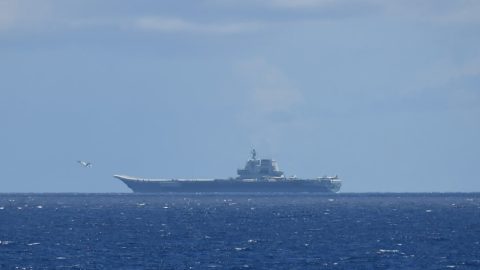
Taiwan could hope to emulate this, maintaining enough anti-ship capacity in missiles and drones to dissuade China from launching an amphibious assault even after it has degraded Taiwan’s conventional forces like frigates and fighter jets. A steady drip of attacks launched from Taiwan across the strait to Fujian could also disrupt and raise the cost of the war to China, much as Iran has done to the Gulf states.
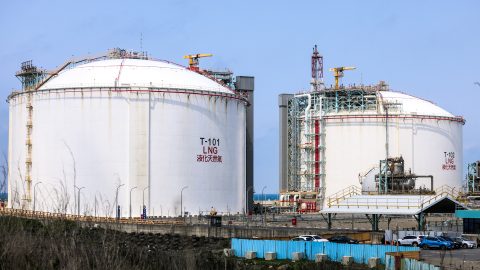
But again, a question about what Taiwan would be shooting toward comes into play. “Taiwan needs to get a bit more comfortable about things like targeting commercial infrastructure or civilian infrastructure,” Gomez said, which “they might be hesitant to do.”
If it were able to dissuade China from outright invading, then a war would look very different, and perhaps last a lot longer. Taiwan would have to start thinking about maintaining defense industrial capacity in the face of ongoing bombardment. “If they can keep making cheap drones, cheap missiles, cheap projectiles that they can just keep firing at Chinese ships, at Chinese mainland targets,” said Matthew Reisener, an analyst from the Center for Maritime Strategy, then Taiwan could still be “a significant nuisance and a significant threat to China’s capabilities in the long term.”
But in order to build a military and a defense industry capable of staying in that fight, Taiwanese politicians need to have a much more honest conversation with Taiwanese people about what it would take, and Taiwanese voters need to give their politicians a much clearer mandate to invest in their defense.




Leave a Reply