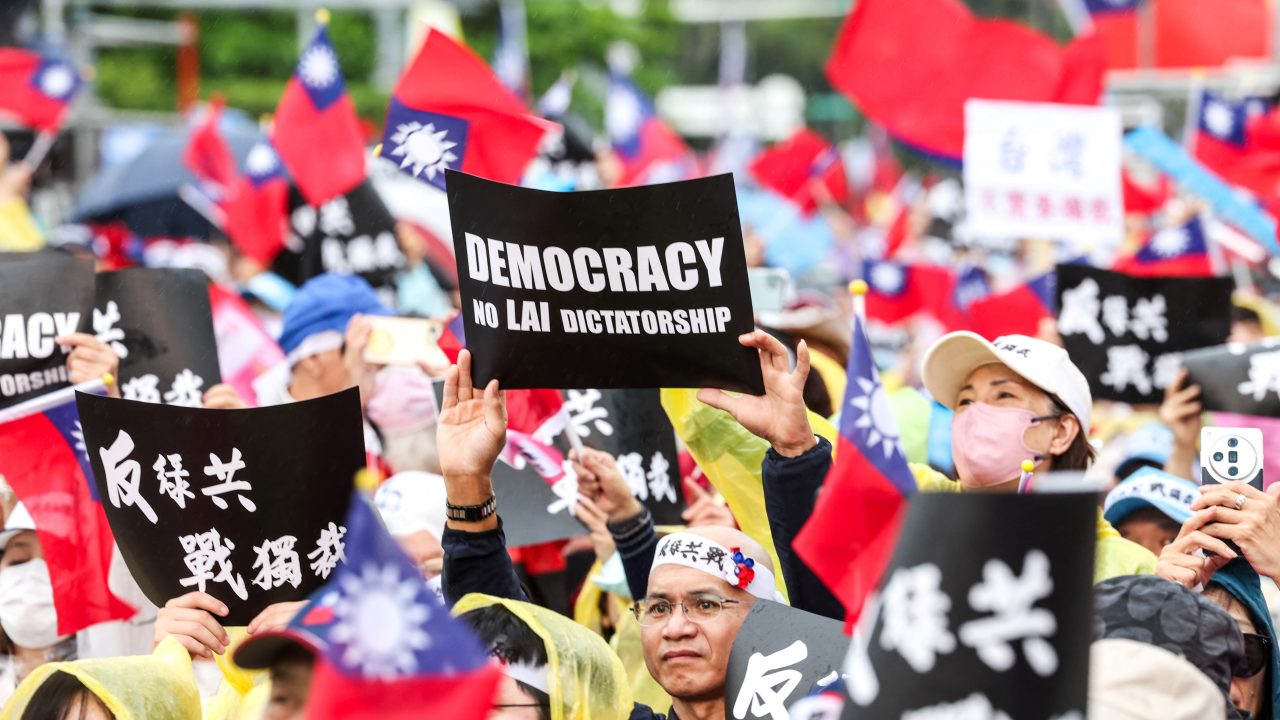
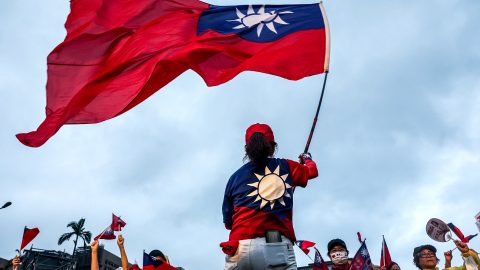
Taiwan is a society on the edge. It is threatened from without by China, an irredentist power that refuses to renounce its goal of annexing Taiwan. It is threatened from within by bitter political polarization, exacerbated by China’s external pressure.
Due to Taiwan’s authoritarian past, the idea of restrictions on speech is particularly vexed here. But at the same time, Taiwan has struggled to combat Chinese influence and disinformation operations. Taiwan needs new legal tools that allow it to prosecute those who only support the violent destruction of its democracy by the Chinese Communist Party, which exploits Taiwan’s open society.
But the recent legislation proposed by the Taiwanese government — amendments to the National Security Act and the Social Order Maintenance Act — will restrict the speech of everyone. The intent of the amendments is one thing, and will no doubt be fiercely debated by Taiwanese in the coming months. The proposed adjustments are too vague and that, to me, is far more objectionable. Introducing penalties on hate speech is a conversation I am interested in having. Doing that while not defining what hate speech is is a conversation I am interested in ending.
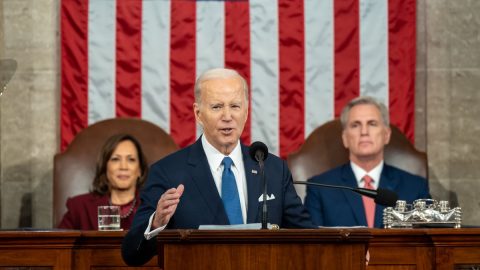
But this legislative push introduces risks for Taiwan that stray beyond the law itself (which, as we will see, likely won’t be passed). Through the first year of the second Trump administration, the “problem” of perceived restrictions on free speech by American allies has been a vexed one. One of the first warning signs that the transatlantic relationship between the U.S. and Europe was going to be in troubled waters this time around was Vice President JD Vance’s infamous Munich speech where he berated European leaders, saying that:
“The threat that I worry the most about vis-a-vis Europe is not Russia, it’s not China, it’s not any other external actor. What I worry about is the threat from within.”
Imagine if that were aimed at Taiwan.
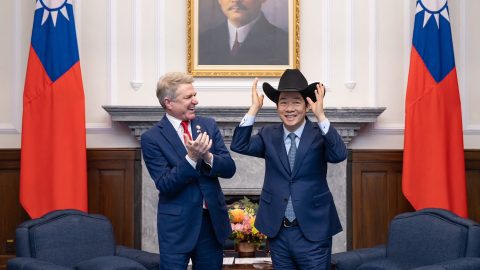
The question of whether Taipei has failed to connect to the new MAGA faction in American politics is a well-trodden one, not least in our own pages. If some enterprising member of a more isolationist faction within the White House were to decide to open up a new front on Taiwan, perceived restrictions on free speech would be an exhaust port that leads directly to the reactor system. It could be devastating.
Here in Taiwan, there appears to be little consideration or concern about this.
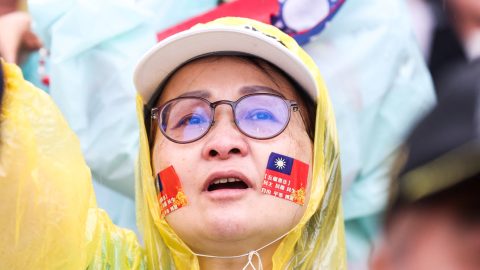
There is more discussion of the domestic ramifications. Taiwan’s main opposition party, the Chinese Nationalist Party (KMT), has long accused the Democratic Progressive Party (DPP) and their presidents of trying to turn Taiwan into a new dictatorship. Domino Theory is a nonpartisan media outlet, but I want to be clear: This is complete nonsense.
But in the political environment of Taiwan where this claim exists, and persists, any action by the DPP administration that appears to support it has an outsized impact. Arguing over whether Taiwan is currently a dictatorship may ultimately help one of the parties, but it can only hurt Taiwan itself, further increasing division.
And again, this is the kind of thing that is carefully monitored by the representatives of Taiwan’s international partners and fed back to their national capitals in folders marked “Reasons for Concern.”
One thing that is particularly baffling is that because the DPP executive lacks a majority in parliament, which is controlled by the KMT, these amendments can be blocked. So if the KMT makes a huge fight of this, and we can only imagine they will, given that they might fear these restrictions could be deployed against them, it appears that the DPP is picking a fight it can’t win.
Nothing about this seems smart.


Leave a Reply