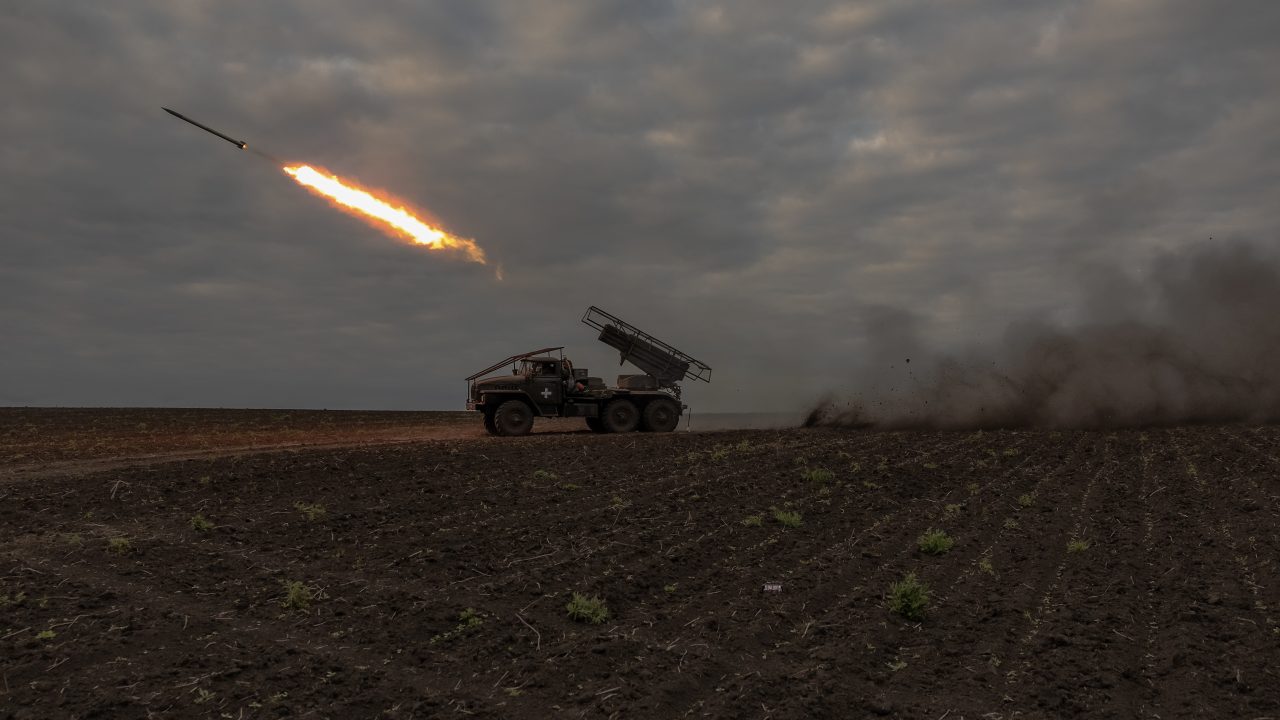
A report on Taiwan’s continued trade with Russia conducted by The Insider and The Reporter, investigative news sites from Russia and Taiwan, became a hot topic earlier this year as it revealed Taiwan’s substantial contribution to the Russian military industrial complex despite international sanctions. Taiwan was one of the first countries to participate in sanctions imposed on Russia by the G7 countries at the onset of the Ukraine invasion, restricting the export of equipment used for producing semiconductors and certain chemicals and medicines. But Taiwanese manufacturers continued trading critical items to Russia through third countries.
Although Taiwanese officials expanded the restricted goods list to include high-end machine tools in January 2023, the investigation found that Taiwan exported 193 pieces of machine tools worth nearly $30 million to Russia through third-country intermediaries, mainly Turkey and China, between March and September 2023. Taiwan’s customs statistics confirmed this trend, showing a 45% increase in machining exports from Taiwan to Turkey between January and October of 2023, compared with the same period in 2022. Taiwanese machine tools were ultimately purchased by a Russian state-owned industrial enterprise that produces weapons and other military hardware.
Following domestic and international criticism in response to Taiwan’s continued trade with Russia, Taiwan’s Ministry of Economic Affairs placed an additional 77 machine tool products on the restricted list and asked Taiwanese manufacturers not to redirect shipments through third countries like Turkey and China.
On the other hand, Taiwan’s need for Russian fossil fuels to power and maintain its economy complicates the situation. Russia, one of the world’s largest fossil fuel producers, exported $5.5 billion worth of fossil fuels in the first five months of the Ukraine invasion to Taiwan, Japan and South Korea, despite their pro-Ukrainian stances. During this period, Taiwanese companies imported an estimated $1.2 billion in Russian fossil fuels. Taiwan Power Company was the largest Taiwanese importer of Russian coal with an estimated $334 million, followed by Formosa Petrochemical Company with $143 million and Taiwan’s CPC with $39 million, making Taiwan the fifth largest importer of Russian coal. Moreover, as of July 2024, Taiwan’s imports of other Russian fossil fuels have continued to increase in the past year, with volumes of Russian oil products shooting up over 200% in the past 12 months compared to the prior 12 months. Since the beginning of the Russian invasion of Ukraine, Taiwan has imported Russian oil products worth $2.9 billion, contributing an estimated $600 million in tax revenues to the Kremlin, which helps finance Putin’s war machine.
When discussing power politics in contexts such as the Russo-Ukrainian War, the realist school of international relations often dominates the conversation, emphasizing military might and state-centric strategies. However, in today’s interconnected world, other perspectives offer valuable insights. Interdependence theory, developed by Robert Keohane and Joseph Nye, highlights how states and non-state actors become mutually dependent through economic, social, environmental and political interactions. These interactions, which occur through both formal and informal networks, reduce the likelihood of conflict and promote cooperation. In an interdependent world, tools like economic sanctions, diplomatic negotiations and international institutions can be more effective than military force.
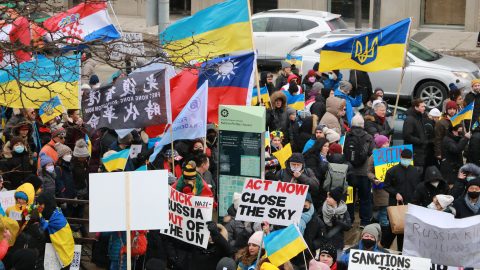
Applied to the Russo-Ukrainian War, interdependence theory provides a valuable insight for understanding the complexities of the international response to Russia’s invasion of Ukraine, particularly regarding the imposition of sanctions. The theory suggests that economic ties create opportunities for cooperation and non-military responses to conflicts, such as multilateral sanctions aimed at weakening Russia’s war efforts. However, the effectiveness of these sanctions is undermined by the significant role Russia plays as a global fossil fuel supplier. In many countries, despite their participation in sanctions, private or state-owned enterprises bypassed sanctions through third countries to import Russian fossil fuels due to their economic dependence, which complicates the situation. This reliance on Russian energy sources disrupts the effectiveness of sanctions intending to curb Russia’s ability to finance its military operations in Ukraine. Moreover, the ongoing need to import fossil fuels has led to a paradox where the international community inadvertently continues to fund the very war machine they aimed to weaken.
On the Taiwan front, given the island’s reliance on Russian fossil fuel to drive its economy, the country initially maintained its trade relations with Russia. However, as the Ukraine conflict escalated and the international community took a stronger stance against Russia, Taiwanese manufacturers adopted a trade-by-third-country method. Although bypassing sanctions due to dependency on Russian fossil fuels might seem like a sensible response, it presents a paradox for Taiwan. On one hand, Taiwanese energy companies and manufacturers have to continue to trade with Russian suppliers and customers. On the other hand, there are significant parallels between the geopolitical challenges faced by Ukraine and Taiwan. If Taiwan finds itself isolated in the future, it should not be surprised that states are unwilling to stand by it due to their reliance on trade with China. This situation highlights two main points; first, the challenges and vulnerabilities inherent in an interdependent world are inevitable. Second, Taiwan must maintain a delicate balance between economic survival and aligning with international political and ethical standards. Taiwan’s dilemma during the Russo-Ukrainian War is a stark reminder of the complex decisions faced by nations caught between economic dependencies and geopolitical realities.
Applied to the Russo-Ukrainian War, interdependence theory explains why the international community used sanctions to weaken Russia’s war efforts. However, strong economic ties between Russia and other countries forced some to adopt the realist attitude of prioritizing national interests over cooperative, multilateral sanctioning. This situation warrants a reexamination of the complex relationship between interdependence and realism in modern international relations.
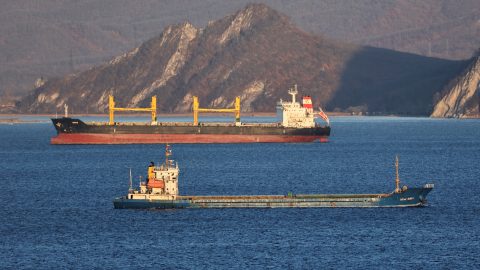
Given Taiwan’s reliance on Russian fossil fuels to drive its economy, the country initially maintained its trade relations with Russia. However, as the Ukraine conflict escalated and the international community took a stronger stance against Russia, Taiwanese manufacturers adopted a trade-by-third-country method. This strategy isn’t new. For example, business transactions with North Korea have often been routed through the Port of Dalian in China. Through this approach, Taiwan was able to bypass international sanctions and support its economy.
Although bypassing sanctions for economic reasons might seem like a sensible response in the immediate term from a realist point of view, it presents a paradox for Taiwan. On one hand, Taiwanese energy companies and manufacturers prioritized their profit motive by continuing to trade with Russian suppliers and customers. On the other hand, there are significant parallels between the geopolitical challenges faced by Ukraine and Taiwan. If Taiwan finds itself isolated in the future, it should not be surprised that states are unwilling to stand by it due to their reliance on trade with China.
This situation underscores the delicate balance Taiwan must maintain between economic interests and aligning with international political and ethical standards. Taiwan’s actions during the Russo-Ukrainian War are a stark reminder of the complex decisions faced by nations caught between economic dependencies and geopolitical realities. Taiwan must carefully consider the long-term implications of its trade practices and alignments. Balancing immediate economic needs with the broader goal of standing firm on international principles will be crucial.
Taiwan’s attitude regarding sanctions on Russia illustrates the challenges that small and medium-sized powers face in the global arena. These nations often find themselves torn between their commitment to upholding international norms and the pressing need to protect their economic well-being in the context of interdependency. Moving forward, Taiwan must navigate these decisions with caution, as they will not only shape its economic well-being but also its geopolitical standing and the support it can expect from the international community during a potential cross-strait crisis.
Taiwan’s attitude amid the sanctions on Russia vividly illustrates the complex challenges that small and medium-sized powers face in the global arena. These nations often find themselves torn between the necessity of upholding international norms and the pressing need to ensure national economic interests in an interconnected world. Taiwan’s reliance on Russian fossil fuels exemplifies the vulnerabilities created by economic interdependence, as it complicates participation in multilateral sanctions aimed at weakening Russia’s war efforts. As Taiwan moves forward, it must carefully navigate these decisions, balancing immediate economic needs with the broader goal of adhering to international principles. This delicate balancing act will not only shape Taiwan’s economic stability but also influence its geopolitical standing and the support it can expect from the international community in a time of long-awaited cross-strait crisis. Ensuring a strategic alignment between economic practices and global multilateral action will be crucial for Taiwan’s future.


Leave a Reply