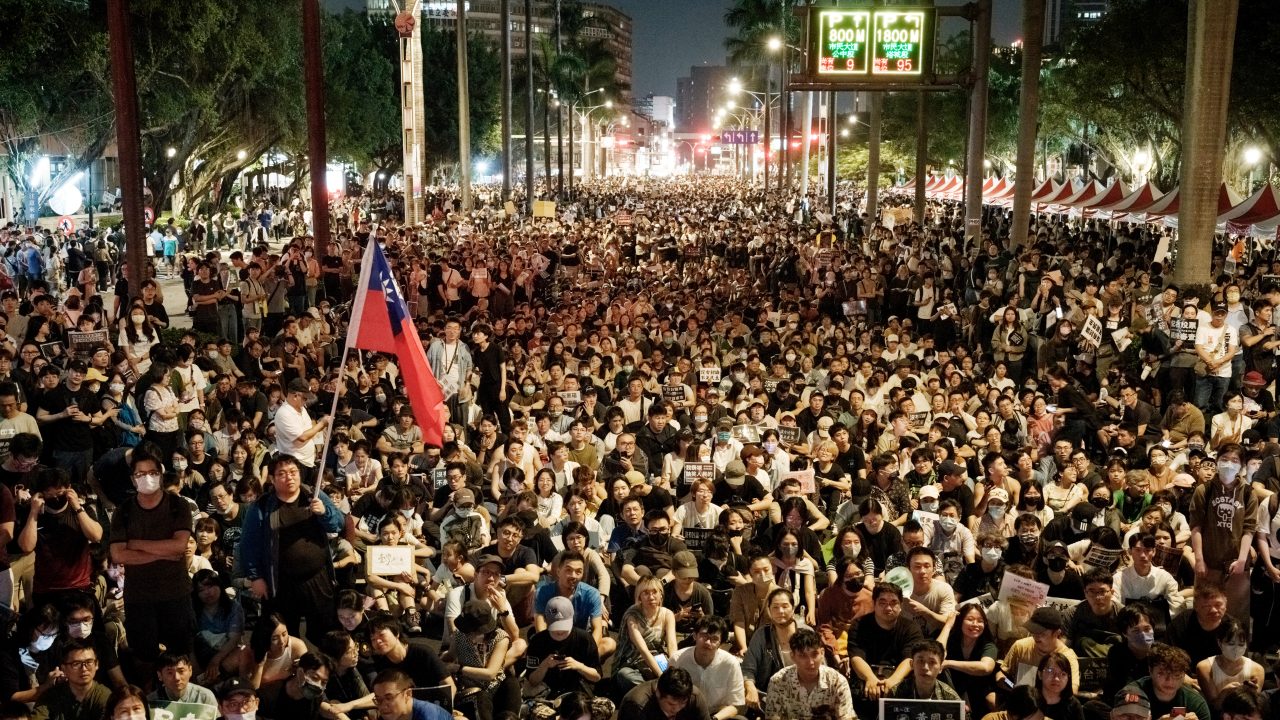
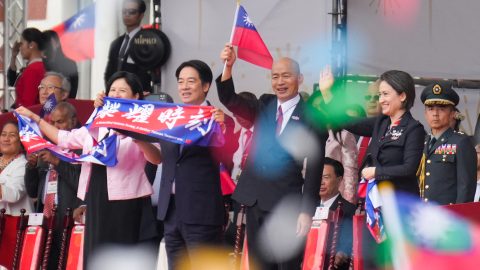
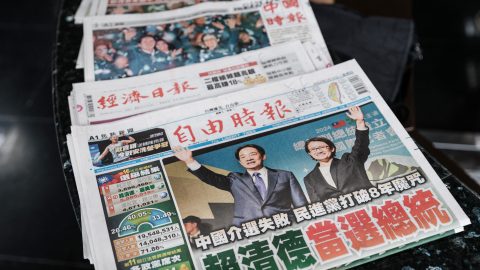
On May 20, Lai Ching-te (賴清德) was inaugurated as Taiwan’s new president in an unprecedented third consecutive term for the Democratic Progressive Party (DPP). Why then are the streets of the government district filled with young protesters who support President Lai?
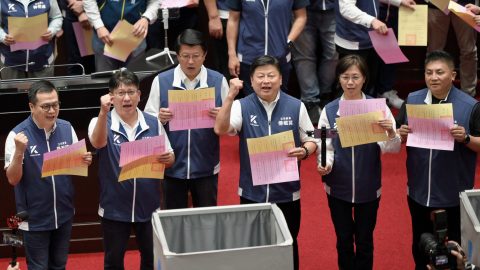
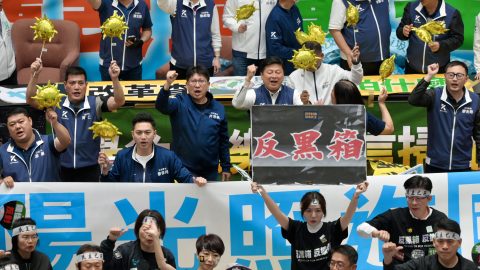
On May 17, 21 and 24, Taiwan’s Legislative Yuan witnessed intense clashes between ruling and opposition lawmakers as they debated bills aimed at reforming the legislature’s powers. The session on May 17 was particularly dramatic, with physical altercations erupting between the two sides — confrontations that captured international media attention. These events also sparked protests outside the Legislative Yuan on all three days, as crowds and several civil society organizations gathered to voice their discontent with the proposed reforms by the opposition Chinese Nationalist Party (KMT) and Taiwan People’s Party (TPP), which seek to expand legislative power.
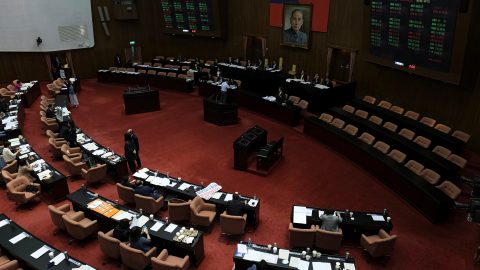
The KMT and TPP together hold a slim majority in the Legislative Yuan, but the DPP holds the presidency. The DPP lost the majority in the Legislative Yuan in January even as their candidate Lai Ching-te won the presidential election. This shift in the balance of power provides an important backdrop to the events of the past week as all parties adjust to the new normal of two opposing power centers within government.
Five Major Reform Bills
The five major legislative reform bills introduced by the KMT and the TPP include regularizing the President’s State of the Nation Address, granting the Legislative Yuan the power to conduct investigations and hold hearings, criminalizing contempt of the Legislative Yuan, strengthening the approval of personnel appointments, and reforming the election procedures for the legislative speaker and deputy speaker.
Currently, the bills on regularizing the president’s address, granting investigative powers, criminalizing contempt of legislature, and strengthening appointment approvals have all passed. However, the remaining parts awaiting review include the hearings provisions to complement the investigative powers, adding “contempt of legislature” to the criminal code, and the election procedures for the speaker/deputy speaker, which would be changed to a recorded vote.
The DPP and the protesters fear that the increased powers the Legislative Yuan would give itself could be used to harass other politicians and suppress the voice of the minority inside the legislature, which they claim is already happening due to a lack of oversight of these bills.
KMT Press Conference
In response to the DPP and the recent street protests, KMT legislator Ko Chih-en (柯志恩) said at a Thursday morning press event that the two most important principles of democracy are “the minority obeys the majority” and “supervision and checks and balances of power.” She continued that what everyone has witnessed in the Legislative Yuan over the past week is 100% Taiwan’s internal political process, with the KMT/TPP majority alliance promoting reforms in response to majority public opinion, yet facing obstruction and violent disruptions from the DPP minority.
Dissolution of the Legislative Yuan?
In the end, the KMT and TPP have the numbers in the legislature and will be able to pass the bills. The ruling DPP can only resort to procedures such as overriding a veto, seeking constitutional interpretation, no-confidence votes, the premier’s resignation, or the president dissolving the parliament, the latter being a particularly extreme step.
To answer the question on the dissolution of the Legislative Yuan in the worst case scenario, KMT legislator Wu Tsung-hsien (吳宗憲) told Domino Theory that he does not think such a dissolution would take place, and there is no need to escalate every matter to the point where the president has to intervene. Furthermore, he does not think President Lai 100% disagrees that the legislature should possess investigative powers. Wu further explained that there may have been some issues in the legislature during former President Tsai Ing-wen’s (蔡英文) time and perhaps Lai would also hope to get to the bottom of those issues.
Wu added that Taiwan’s legislative powers are almost the same as in other countries with separation of the three executive branches (legislative, executive, and judicial) and do not exceed them. The KMT and TPP want to further increase the legislature’s investigative and hearing powers because they also take legislative oversight into consideration.
May 24th Session and Onward
Friday’s Legislative Yuan session has again proved to be tumultuous, with physical clashes starting again inside the legislature as early as 7:00 a.m.
Protests also resumed outside and had begun to take place in other places such as Taichung, Changhua, Chiayi, Tainan, Hualien and Taitung. By 8:34 p.m., reports indicated the number of protestors in Taipei had exceeded over 80,000 people, and later grew to at least 100,000 people, according to the protest organizers.
Friday also saw KMT and TPP supporters take to the streets to protest for the first time, however the turnout rate was rather small. The protesters were calmer than previous days, constantly reminding each other not to react to any provocations from opposition supporters. The police have segregated the protesting crowds to prevent any potential altercations.
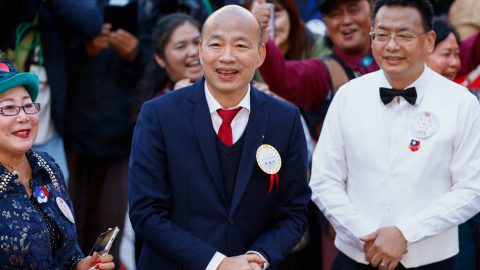
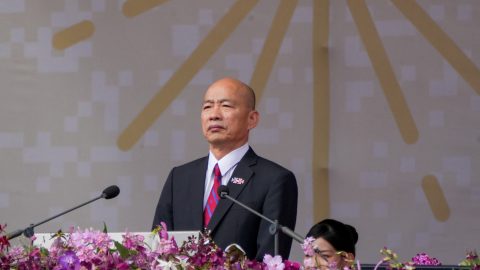
In response to delaying tactics during the session by the DPP, the KMT again proposed extending the session until midnight. After hours of back and forth of the same tactic between both parties, Han Kuo-yu (韓國瑜), president of the Legislative Yuan, announced that the session will resume next Tuesday, May 28.

Leave a Reply