
Taiwan can take some confidence from lessons from Ukraine and Iran, former Deputy National Security Advisor Matt Pottinger said in Taipei on Friday.
In both cases, a middling state had held its own against a great power, Pottinger told the annual forum for CAPRI, the Center for Asia-Pacific Resilience and Innovation.
Pottinger served in the first Trump administration and is widely seen as crafting the China policy that ushered in a new bipartisan hawkish consensus on Beijing.
“Taiwan should be a porcupine, but one that has sharp claws, too, and long arms,” Pottinger said. Its military should focus on defensive capabilities, but still preserve the ability to strike back at China.
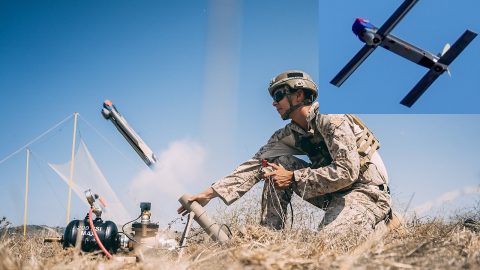
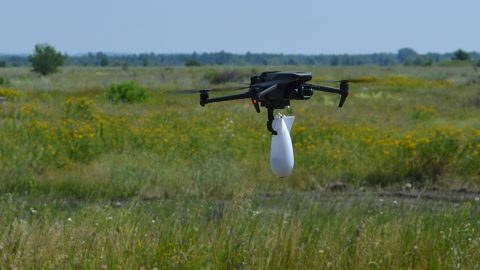
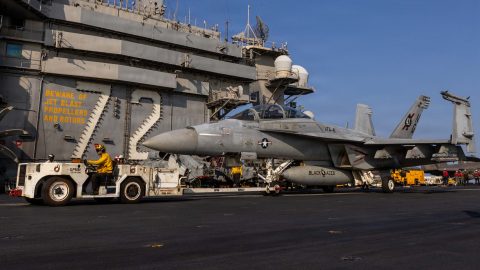
A big part of the Russian navy was sent to the bottom of the Black Sea, Pottinger said, while in the Persian Gulf Iran has kept the U.S. navy “more or less far away.” He attributed this success to the adoption of new military technologies, especially drones across all domains, but also on more conventional cruise anti-ship missiles.
Taipei should invite Ukrainian and other experts to come to Taiwan and show them how to build the capacity to build these drones and missiles and cruise missiles, Pottinger said. “Your friends are these other powers that have now proven that they can defend themselves against superpowers,” he added, pointing out that this doesn’t include the U.S. “Ukraine this year is going to build 12 million drones this year. The entire United States for both commercial and military use, might make 300,000 drones.”
These new technologies have favored the defender, which is obviously to Taiwan’s advantage. Long gone are the days of “Retake the Mainland.” However, offensive strike capacity is still important, Pottinger said. He argued that U.S. and Israeli strikes had done more to prevent Iranian attacks on the Gulf nations than air defense interceptors. This is where the long-armed porcupine comes in.
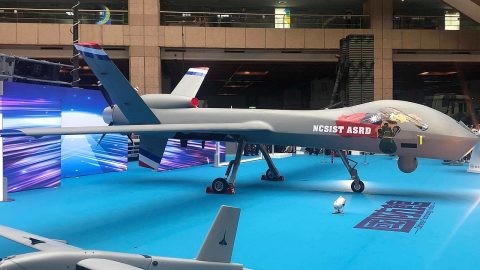
While in Taipei this week, Pottinger has argued that Taiwan still needs to take its defense more seriously, saying in an editorial in CommonWealth Magazine that the Chinese Nationalist Party (KMT), which controls the legislature, needs to pass a “meaningful defense budget.” He drew particular attention to the lack of domestic drone manufacturing in the KMT’s proposals.
In contrast, the larger special budget proposed by the ruling Democratic Progressive Party (DPP) plans for more than 200,000 drones across multiple platform types.
If two superpower navies have been kept at bay, that should be good news for Taiwan, Pottinger told a mostly Taiwanese audience, “but only if Taiwan actually spends the money [and] does the work.”



Leave a Reply