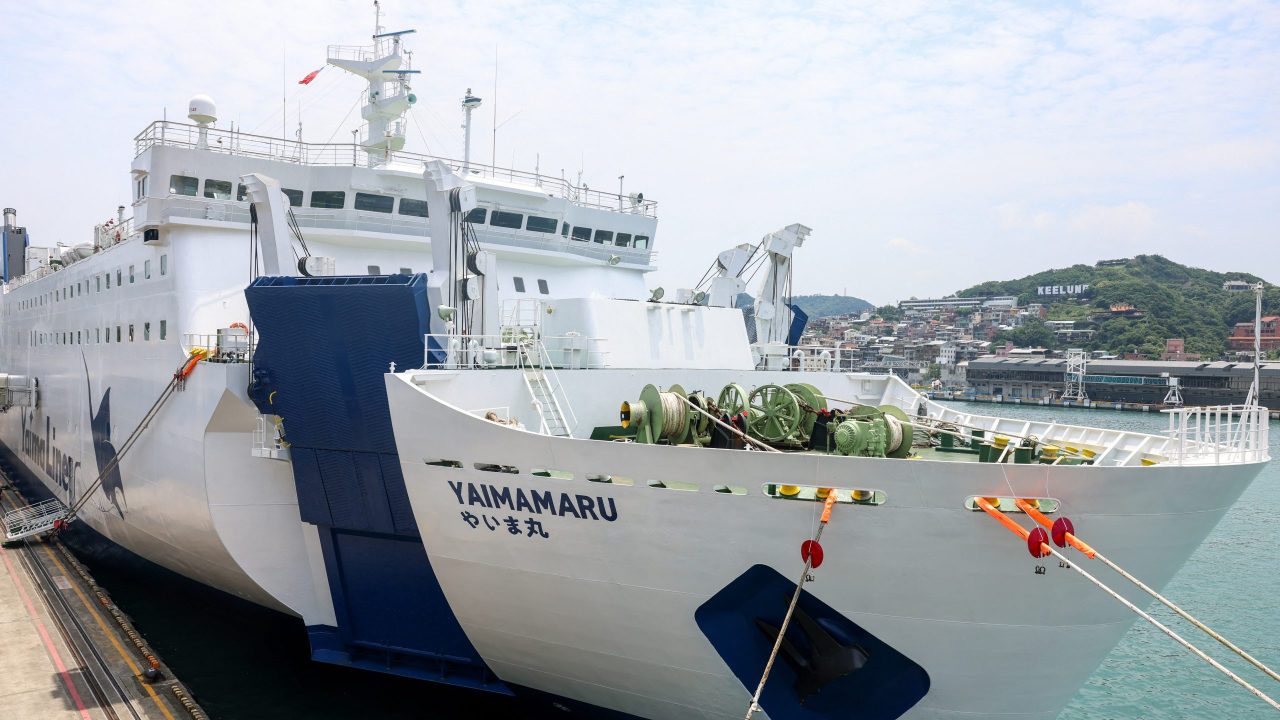
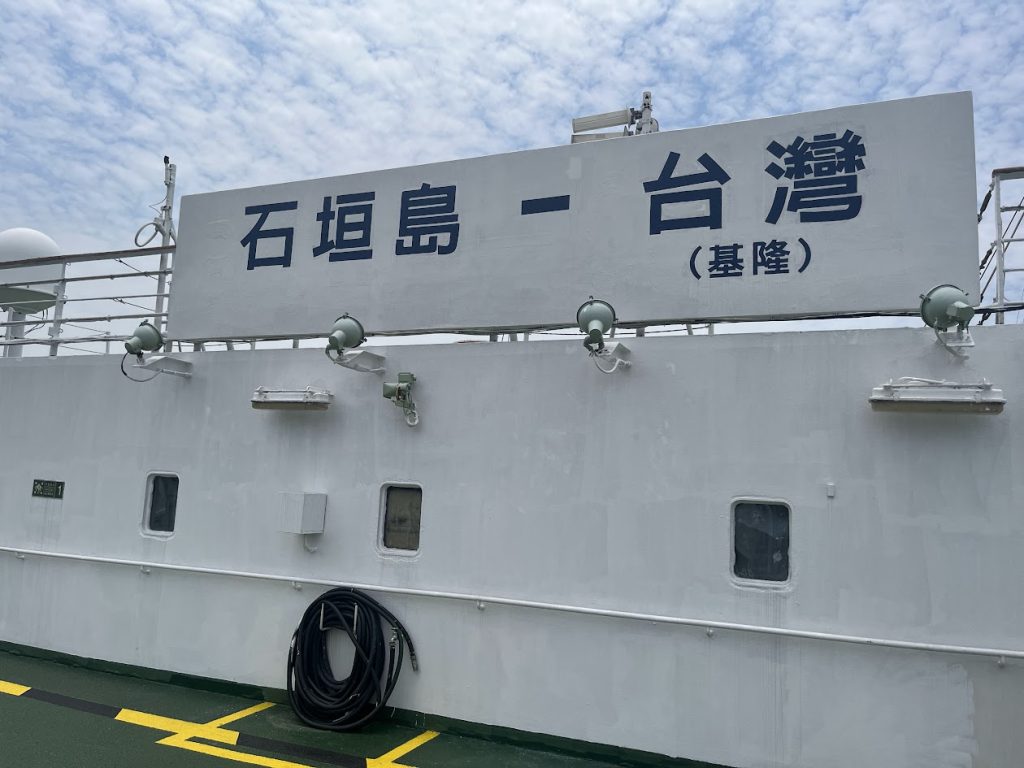
A new ferry line connecting Keelung, a port city in northeastern Taiwan, with the southern Japanese island of Ishigaki set out on its maiden voyage Thursday evening. The Yaima Maru, which is operated by the Taipei-based shipping company Wagon Group, is the first regular passenger ferry connecting the two countries in more than a decade.
At a ribbon-cutting ceremony in Keelung on Thursday, officials from Japan and Taiwan touted the new service as both an indicator and potential driver of economic and cultural exchange between the two countries, which have not had official diplomatic relations since 1972.
“The launch of this route today carries very important and profound historical significance for both regions,” said Ishigaki’s mayor, Yoshitaka Nakayama, speaking through a Mandarin interpreter. “This route is not merely a piece of transportation infrastructure, but a brand-new bridge connecting the multi-faceted development of tourism, logistics, the economy, culture and education.”
Taiwan was a Japanese colony between 1895 and 1945 before being handed back to the Republic of China at the conclusion of World War II. The brutality of Chiang Kai-shek’s (蔣介石) government in the decades that followed have left many Taiwanese people with a certain nostalgia for life under Japanese rule. One mark of the cultural affinity here is Line, the Japanese messaging app that is ubiquitous in Taiwan.
In 2025, mutual tourism between the two countries reached an all-time high. “We look forward to more Japanese friends coming to Taiwan — not just for brief visits, but for deep tourism, and directly purchasing supplies in Taiwan that Ishigaki Island needs,” said Lin Pei-hsiang (林沛祥), a Taiwanese legislator representing Keelung, at the ribbon-cutting ceremony.
Rising aggression from China in recent years has brought Taiwan and Japan closer geopolitically as well. In November last year, Japan’s prime minister, Sanae Takaichi, said in a speech to the lower house of Japan’s Diet that China conducting a naval blockade of Taiwan would constitute a “survival-threatening situation,” a designation that would allow for military intervention under the Japanese constitution. The remark set off a diplomatic crisis between Tokyo and Beijing that has lasted months.
Speaking prior to the ribbon-cutting ceremony, Wagon Group’s general manager Tiger Hong (洪郁航) denied that politics played a role in the planning for the new route. “[Six or seven years ago], we were already researching this route, believing there is a certain market and a certain demand from passengers,” Hong said, before adding: “There was absolutely no diplomatic element involved, because we conducted all the assessments of this route entirely based on commercial considerations.”
The new ferry is large enough to carry 545 passengers, but according to Hong, Wagon Group intentionally reduced the capacity to below 500 for the sake of passenger comfort. For the first voyage, Hong said, just over 200 tickets had been sold.
Initially, the ferry will make one round trip a week, leaving Keelung at 11 p.m. on Thursday evenings and arriving in Ishigaki at 8 a.m. the following morning. The return trip will leave Japan on Sunday night and arrive in Taiwan on Monday morning.
After the ribbon-cutting, Hong led a tour of the ship. Inside, the furnishings were simple and neat, like a well-maintained, mid-tier hotel.





Leave a Reply