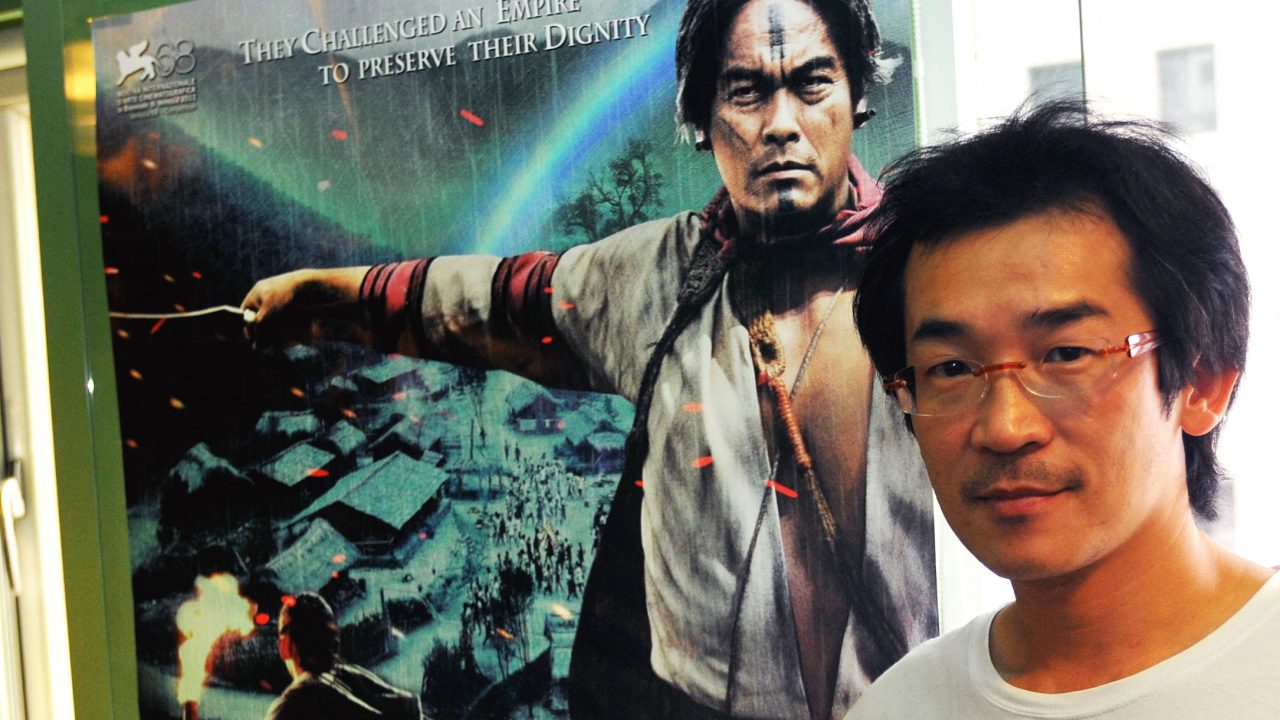
China will rerelease the Taiwanese film “Warriors of the Rainbow: Seediq Bale” (賽德克.巴萊) in December amid tensions with Japan over Taiwan. The screening will be the first time that the original two-part, 276-minute Taiwanese cut is shown in China, rather than the 153-minute long international version, which was released in China in 2012.
The movie depicts the 1930 Musha Incident in central Taiwan, where Mona Rudao (莫那·魯道) led members of the Seediq tribe, now one of Taiwan’s recognized Indigenous groups, in an uprising against Japanese colonizers. It is renowned in Taiwan as being the first major film to focus on Indigenous people. Internationally, the film’s extreme violence was noted, with The Economist saying that the film probably has “the highest number of graphic beheadings of any film anywhere.”
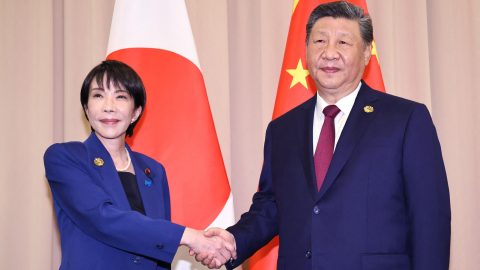
The release comes during a wave of heightened Chinese aggression against Japan following Japanese Prime Minister Sanae Takaichi’s recent statement that a Chinese attack on Taiwan could trigger a Japanese military response. After Takaichi’s comments, which she made while responding to a question in parliament, the Chinese consul general in Osaka posted on X: “The filthy head that recklessly sticks itself in must be cut off without a moment’s hesitation.”
Subsequently the Chinese defense ministry said that Japan would “suffer a crushing defeat” if it intervened. China has canceled flights to Japan, banned Japanese seafood, canceled the release of Japanese movies, and conducted military exercises as it seeks to coerce Japan.
So the choice to re-release a 14-year-old movie featuring violence against Japanese soldiers and civilians by Taiwanese rebels, and the subsequent violent Japanese response, will raise eyebrows. On its initial release, it only grossed $2.3 million.
The new promotional posters for the movie carry the tagline “Bloodbath against the Japanese invaders, crushing the Japanese militarist plot.” State-affiliated newspaper Beijing News said the film tells the tale of “the Taiwanese people’s courageous resistance against the atrocities committed by Japanese invaders.” Chinese film platform Migu describes the film as portraying the anti-Japanese resistance of people of “Chinese Taiwan.”
沒人去問一下台灣導演魏德聖對這件事的看法?
— Yao Zhang 張堯 🇨🇦 (@yaozhang02) November 26, 2025
他拍這片子的時候可不是要炒作仇日,還讓中國吃台灣豆腐的吧🤔 https://t.co/BrX9TLiAbA pic.twitter.com/JowmxxXc50
Central Pictures Corporation, a Taiwanese company, owns the rights to the two-part movie. An employee who declined to provide her name said that the company “very recently” signed a deal with the Chinese distributor, China Film Group Corporation, but she didn’t know when the movie would be shown and that “we only focus on releasing the rights, we cannot control how it’s being distributed.”
When asked about the the movies being shown in China for “the resistance against Japanese,” Wei Te-sheng (魏德聖), the film’s Taiwanese director, said, “I have only been told that my movie will be shown in China, but I don’t have the rights, so there’s nothing I can do.”
“The Seediq people were the main protagonists in the story, unlike other stories that focus on an eight-year war of resistance against Japan led by the Han Chinese. It’s a story about the people from this island fending off outside threats,” said a veteran in the Taiwanese film business, who asked not to be named to protect his business interests.
“It’s laughable and shameful that China used this movie as a tool for propaganda, as they are the ones who should be confronted since they have years of oppression against the Uyghurs and the Tibetans,” he added.
The two parts of “Warriors of the Rainbow: Seediq Bale” will be shown in theaters in China on December 12 and 13, respectively.




Leave a Reply