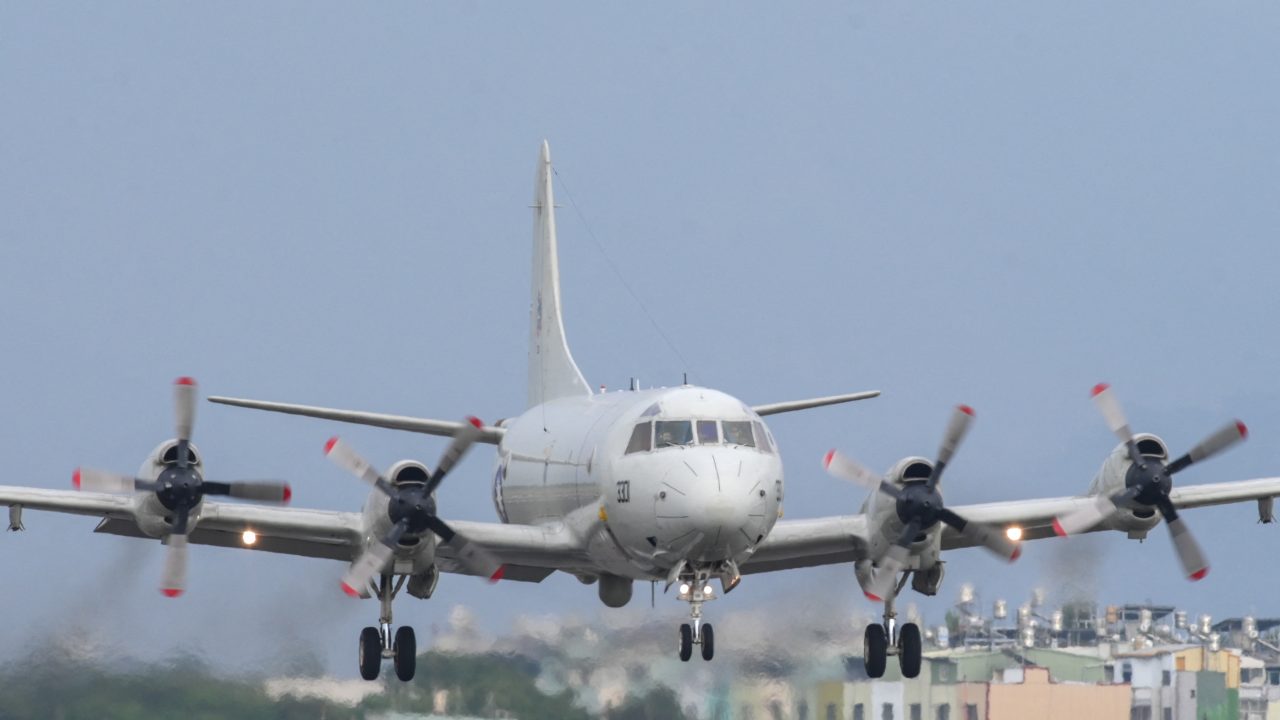
In 2004, Taiwan’s executive branch, under the leadership of newly reelected President Chen Shui-bian (陳水扁), proposed a massive special budget for arms procurement. The money was earmarked for three major U.S. weapons platforms: anti-submarine patrol aircraft, Patriot missile defense systems, and diesel electric submarines.
The ruling Democratic Progressive Party (DPP) argued that the procurements were essential for maintaining credible deterrence against China. The opposition Chinese Nationalist Party (KMT), which narrowly controlled the legislature, argued that the price tag was exorbitant and the projects themselves unrealistic. Over the next two years, the legislature blocked the special defense budget more than 50 times.
The dynamics during that time appear strikingly similar to the special defense budget fight playing out in Taiwan’s government today. The opposition KMT is once again playing hardball against a DPP-controlled executive branch that wants to make unprecedented levels of investment in Taiwan’s defense.
But analysts who have been following Taiwanese politics long enough to remember those previous fights say this time is different.
The most striking difference is the sheer magnitude of the spending proposals. The 380 billion New Taiwan dollar (roughly $11.97 billion) number that the KMT put forward last week is much smaller than the NTD 1.25 trillion that the DPP has proposed. But the KMT proposal is also larger than any of the special defense budgets passed during the Tsai Ing-wen (蔡英文) administration, when the DPP controlled both the executive and legislative branches.
“One of the interesting juxtapositions is the degree to which the Overton window has shifted,” said Michael Hunzeker, director of the Taiwan Security Monitor at George Mason University. “If you had told me in the first Tsai administration … that the opposition parties would be proposing a special defense budget which is basically larger than Tsai’s based defense budget in any one year, I would have been like: ‘You’re crazy.’”
During the Tsai administration from 2016 to 2024, Taiwan’s yearly normal defense spending averaged roughly NTD 350 billion per year, though it gradually increased over that period. The government also passed two special defense budgets, each of which carried a total price tag of around NTD 240 billion.
“In terms of scale, this is also a far larger arms acquisition package than anything Taiwan has seen before,” Yuster Yu (于孝斌), a retired commander in Taiwan’s navy, said in an email.
Yu has long been critical of Taiwan’s prioritization of eye-catching topline funding numbers over what he deems to be unglamorous but necessary structural reforms.
“If Taiwan is serious about strengthening its ability to defend its people and property, the conversation should not begin with weapons procurement,” Yu said. “There are deeper and more fundamental issues that require attention first — for example, military culture, the quality of the officer corps, professional military education (PME), and problems with recruitment and retention.”
Steve Li, a former U.S. defense cooperation officer who wrote his dissertation about Taiwan’s defense spending, has also long been critical of the country’s approach to defense procurement. Li says that the M1A2T Abrams tanks that the Tsai administration agreed to purchase in 2019 amounted more to a “political trophy” than an “operationally useful piece of equipment.”
But Li now argues that with advances in the mass production of low-cost weaponry led by companies like Anduril, the American defense start-up, the Taiwanese government’s ambitious spending proposals have become more tactically meaningful.
“We’re at a pivotal moment here in defense capability development,” Li said, “where a meaningful budget from Taiwan can substantially close the operational gap across the strait.”




Leave a Reply