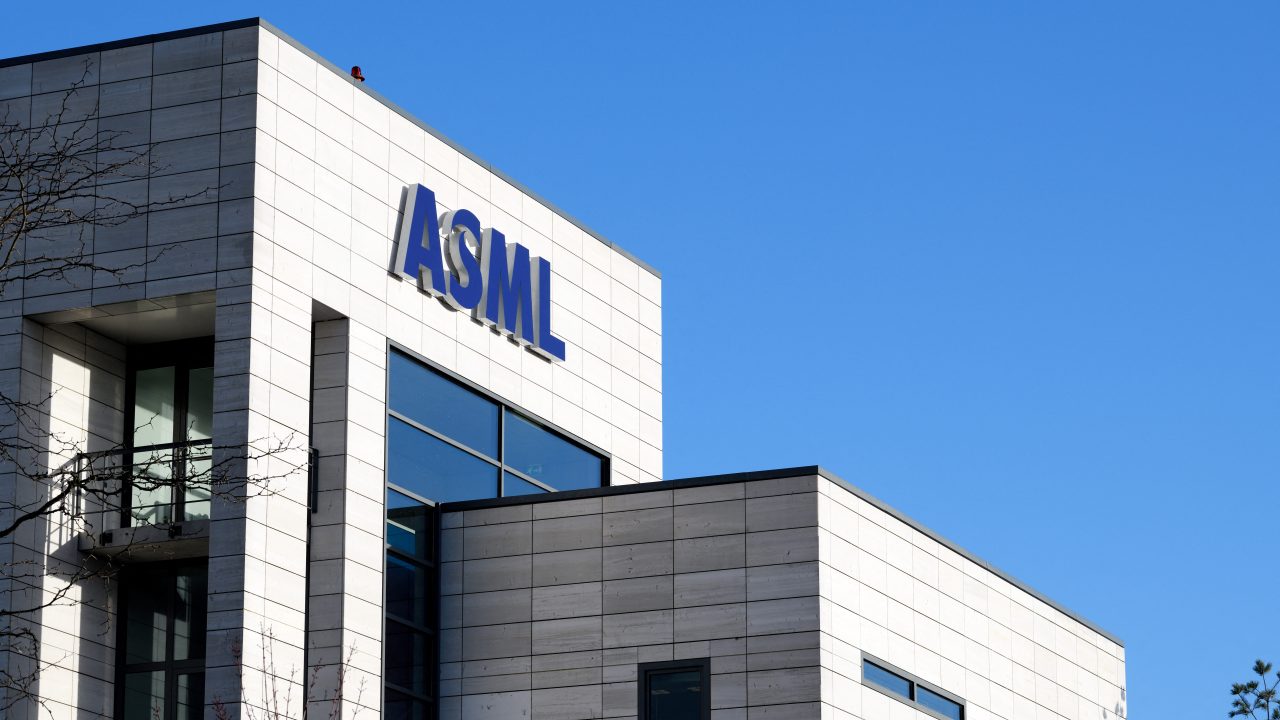
This month, the Netherlands implemented new controls on the export of deep ultraviolet, or DUV, lithography equipment to China that are nearly identical to the restrictions that the U.S. implemented last year. Lithography is a key piece of semiconductor manufacturing equipment that uses lasers to print circuitry onto silicon wafers. The world’s leading supplier of lithography machines is Dutch company ASML. The Netherlands had already restricted the sale of top-of-the-line extreme ultraviolet, or EUV, lithography — which ASML is the sole producer of — in response to pressure from the Trump administration in 2019. But now ASML’s less advanced 1970i and 1980i immersion DUV machines are also captured in the Dutch controls framework.
ASML published a statement saying that the new controls will not affect the company’s business in China, they merely shift ASML’s license filing obligation from the U.S. to the Netherlands. But ASML has a motive to understate the impact of controls. When news broke in July that the U.S. was considering imposing additional semiconductor export controls, ASML lost $43 billion worth of stock market value in one day.
There is reason to believe that the new Dutch controls will negatively affect China’s ability to manufacture chips because they fill a gap created by the lack of multilateral enforcement, particularly in terms of equipment servicing. This will prevent China from continuing to use its DUV machines to manufacture advanced chips. Ultimately, the Netherland’s implementation of these controls shows that the Dutch are trying to create as much strategic autonomy for themselves as possible in the face of unilateral pressure from the U.S.
ASML originally had to file for a license for its 1970i and 1980i immersion DUV machines in the U.S. because the U.S. has extraterritorial jurisdiction over the Dutch company due to the foreign direct product rule, or FDPR. The FDPR is a component of the U.S.’s Export Administration Regulations that allows the U.S. to govern foreign-produced technology that is a “direct product” of U.S.-origin technology and is covered by U.S. export controls. According to The Economist, the FDPR “lets the government claim jurisdiction over almost every chip factory in the world, because almost every one contains hard-to-replace American tools.” Since ASML uses American origin technology in its lithography systems, it is subject to the FDPR.
Despite ASML’s obligation to file licenses for its DUV machines pursuant to the FDPR, there still existed gaps in the U.S.’s export control framework due to the Netherland’s resistance to implementing similar controls. Case in point is equipment servicing. While the U.S.’s Export Administration Regulations require that “U.S. persons” obtain a license to service controlled lithography equipment to a facility that produces advanced chips, the FDPR does not explicitly cover post-sale services. ASML has continued servicing its DUV machines in China, much to the U.S.’s chagrin.
The reason why the U.S. is so concerned about servicing equipment that isn’t at the cutting edge is related to how China has adapted to U.S. export controls in order to continue advancing its chipmaking capabilities. Chinese chip makers had been stockpiling now-restricted lithography like the 1970i and 1980i immersion DUV machines in anticipation of the U.S. controls over the past few years, and currently use these machines to make China’s most advanced chips. Huawei and SMIC have figured out how to use DUV lithography to make chips that are more advanced than is conventional for this technology through a technique called “multi-patterning.” But for this strategy to work, the lithography machines require routine maintenance and calibration, including software updates and the replacement of key parts. The tools and proprietary knowledge used to service these machines are held by ASML. If ASML cannot service its machines already in China, that will greatly impede China’s ability to use this equipment effectively.
Over the past year, the Netherlands had been resisting pressure to institute stronger export controls, including those that cover servicing. One reason for this resistance was disagreement with U.S. officials over whether further decoupling from China is the most strategic option. In an interview with the The Wall Street Journal, ASML CEO Christophe Fouquet warned that if ASML stops servicing its machines in China, then it won’t know where its machines are or what they are being used for. Additionally, the Dutch government has a strong incentive to support ASML’s business in China, which accounts for 49% of ASML’s sales. ASML is the most valuable technology company in Europe and a major employer in the Netherlands — over half of its employees are located domestically. After U.S. semiconductor export control updates were released in 2023, which added significant restrictions to DUV lithography, members of the Dutch Parliament lamented that the Netherlands’ “economic jewels are being thrown away.”
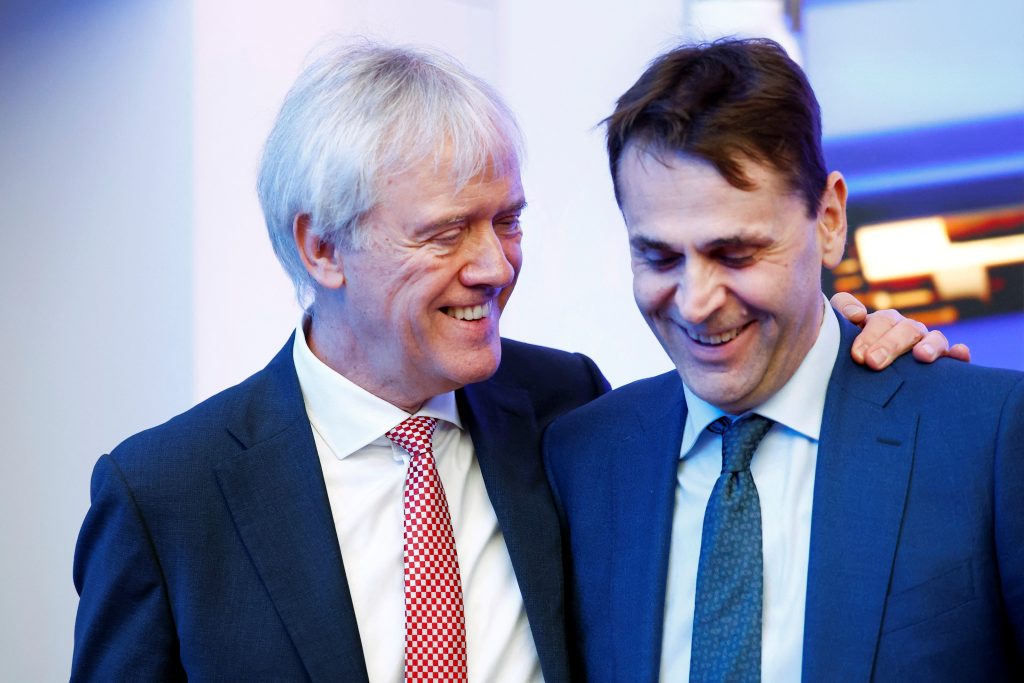
In the end, the Netherlands did bring their lithography controls in line with U.S. restrictions imposed last year. Although the Netherlands did not initially mention servicing in their updated regulations, they clarified last week that providing spare parts and software updates for restricted equipment falls under the new controls.
Despite their hesitation, there are a couple reasons why aligning with U.S. controls and taking over licensing for ASML’s 1970i and 1980i DUV exports to China is the most favorable option for the Dutch. First, it was a regulatory hassle for ASML to file licenses in both the U.S. and the Netherlands. Second, multiple reports this summer indicated that the U.S. was threatening to invoke the foreign direct product rule to convince the Dutch to regulate equipment servicing. While it’s unclear whether the U.S. could have legally done this, the further application of unilateral pressure would’ve been untenable for the Dutch regardless. In response to trade restrictions implemented by the U.S. in 2023, Dutch parliamentarians complained that unilateral controls impinge on the Netherlands’ strategic autonomy. By retaking licensing responsibility for ASML’s DUV machines, the Dutch now have more control over licensing approval for lithography shipments to China. Even though their controls are aligned with the U.S., there might be room for the Netherlands to make licensing decisions according to its best interests.
As Chris Miller, Tufts professor and author of “Chip War,” put it, “ASML is in a position it doesn’t want to be in, which is at the center of the technology race between China and the West.” The Netherlands, by extension, is also in a position it doesn’t want to be in. But the Netherlands’ response to U.S. controls and pressure demonstrate that it is trying to give itself as much room to maneuver autonomously as possible.


Leave a Reply