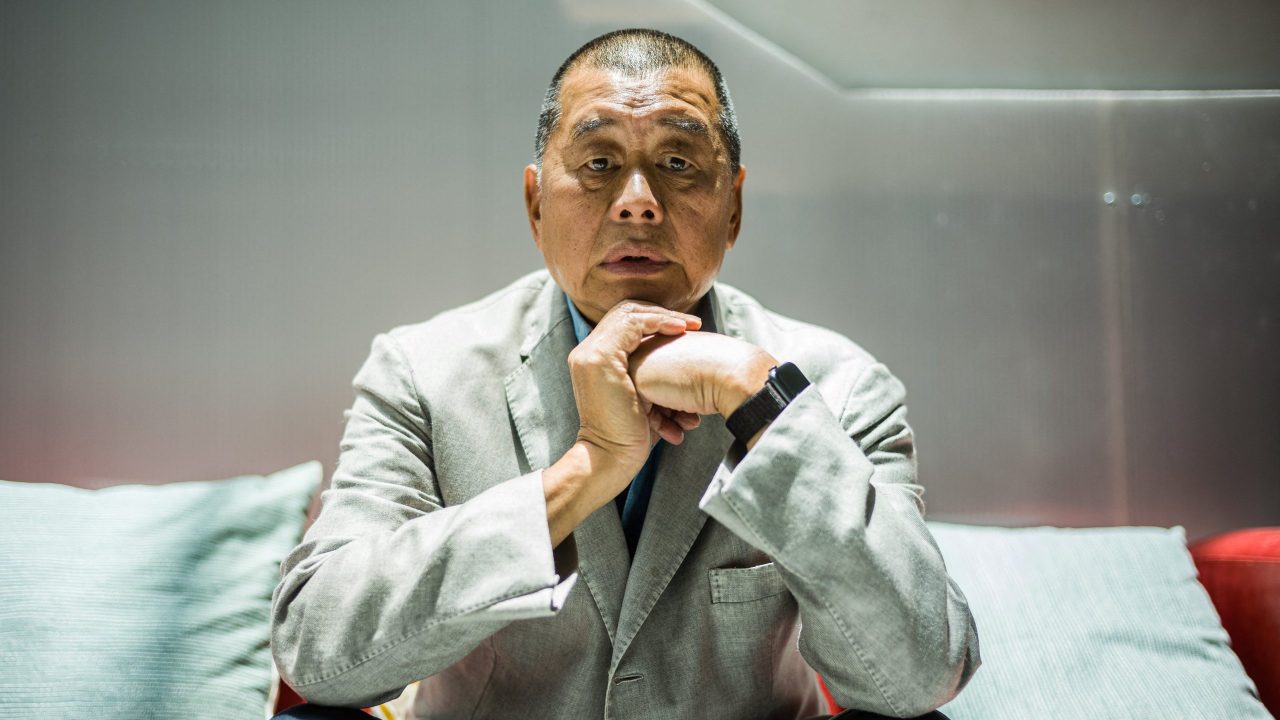
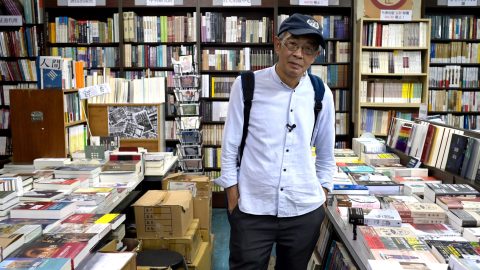
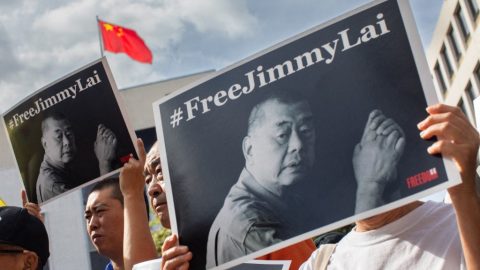
Pro-democracy campaigner Jimmy Lai (黎智英) has been found guilty in his Hong Kong national security trial of publishing seditious materials and colluding with foreign forces. The sentence is yet to come, but it is likely to put him in prison for life.
This result was widely anticipated, but it’s not the end of the story. Now it’s time for Beijing to allow Lai, who turned 78 in prison last week amid reports of declining health, to reunite with his family. Setting aside moral questions, China’s leaders should face their practical reality: Lai is a greater threat to them behind bars than he is free.
Hong Kong has changed dramatically over the five years that Lai has been held in solitary confinement. Beijing has undermined a legal system that was the envy of many in Asia, with independent jury trials that underpinned the rule of law and allowed both Hongkongers and international businesses the confidence to know that they would receive justice.
In its place, they have instituted a system of crooked national security judges who convict entirely based on what Beijing wants. There is no chance of due process for those charged with political crimes in Hong Kong, whether under old colonial-era laws or national security legislation recently imposed by Beijing.
Under a legal system controlled by China, one of Hong Kong’s greatest champions never stood a chance. That Lai was accused of little more than promoting democracy in his newspaper was always beside the point. Once the Chinese Communist Party made it clear that they wanted to make an example of him, his fate was sealed.
Now Beijing faces the prospect of living with a sick, aging prisoner of conscience who, as long as he survives, will survive as a symbol of Hong Kong’s broken justice system. If he dies in prison, he will die a martyr. There is nothing more politically destabilizing in modern China than the death of a sympathetic figure.
Beijing has created this mess; now it has to own it. Hong Kong lacks the capacity to extricate itself from this situation by making its own deal or releasing Lai of its own accord. It’s telling that while the verdict was being read out in court, Hong Kong Chief Executive John Lee (李家超) was reporting to his masters in Tiananmen Square.
Beijing has shown that it is prepared to make deals and let people go. There’s a long list of political dissidents who moved abroad after they served their sentence in a Chinese prison cell. The two Canadian Michaels were let go after Huawei executive Meng Wanzhou (孟晚舟) made a plea deal with the Department of Justice. In their case, the world didn’t even know they had been convicted in secret Chinese courts until they were on the plane.
World leaders must speak up. British Prime Minister Keir Starmer, scheduled to go Beijing to meet with Xi Jinping (習近平) at the end of January, has a duty to advocate for Lai, who is a British citizen. It is widely believed that Starmer is going to make a deal to allow China to open a new embassy in London. If he must do that, the least he can do is get something for it.
Lai is a converted Catholic. Although Pope Leo has not been shy about criticizing state actors, whether it be in Ukraine or in the waters of the Caribbean, the Holy See has not condemned Lai’s imprisonment.
U.S. President Donald Trump, who has already said he would do “everything I can” to “save” Lai, just secured the release of 123 political prisoners in Belarus, a remarkable diplomatic achievement. He has already managed to facilitate the return of the hostages in Gaza. Add Lai’s release to that winning streak, and Trump could be in line for the Nobel Peace Price.
But the Chinese government shouldn’t need Trump’s urging. They’ve made their point, and Lai has suffered more than enough for what they deem to be his crimes. Now they have the chance to gain good will on the international stage with one simple act.
Free him.


Leave a Reply