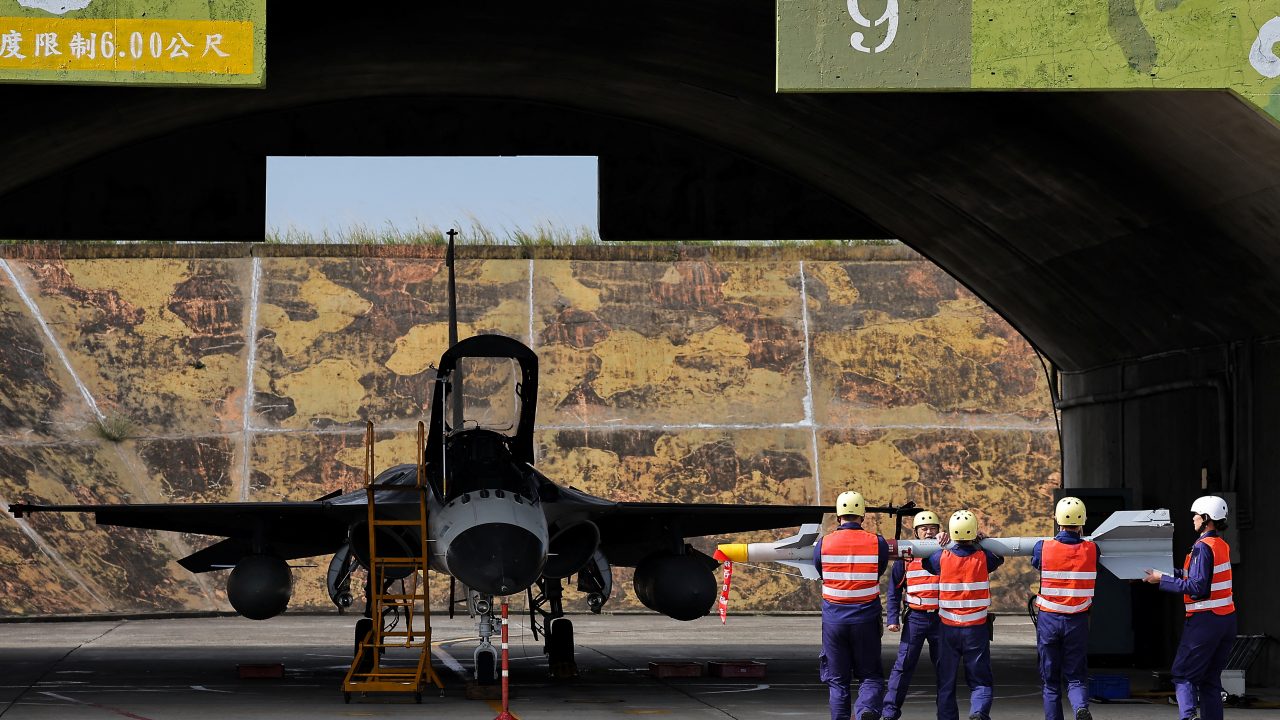
Taiwan’s Ministry of Defense has confirmed that it is in negotiations with the United States for military purchases potentially worth $10 billion.
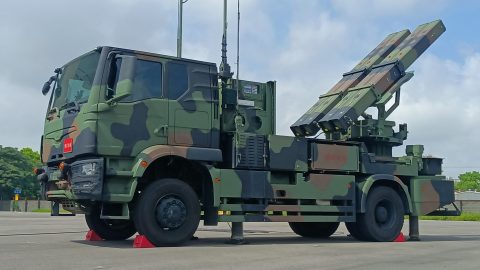
Taiwan is considering purchasing $7 billion to $10 billion worth of military equipment from the U.S., including coastal defense cruise missiles and HIMARS rockets, according to a Reuters report.
The defense ministry confirmed during a press briefing today that, while it would not comment specifically on the Reuters report, three sources familiar with the situation told the agency that negotiations are indeed underway.
Defense ministry officials at the press briefing declined to comment on specific reports, explaining that the ministry continuously adjusts force development plans based on enemy threats. However, Major General Weng Yu-heng (翁予恒), director of the Army Planning Division of the Department of War Planning, explained that the ministry employs three approaches to acquire military assets: through foreign military sales; direct commercial sales; and domestic production, stressing that military procurement is not the only channel.
Defense ministry spokesperson Major General Sun Li-fang (孫立方) said the ministry would provide more information once concrete plans have been established. The update follows Taiwan President Lai Ching-te’s (賴清德) recent high-level national security meeting, where he announced plans to use special budget allocations to increase annual defense spending to over 3% of the country’s GDP.
Taiwan’s defense budget for the 2025 fiscal year stands at $19.8 billion, an increase from 2024’s $18.5 billion but a decrease as a percentage of GDP from roughly 2.5% to 2.45% due to a GDP increase.
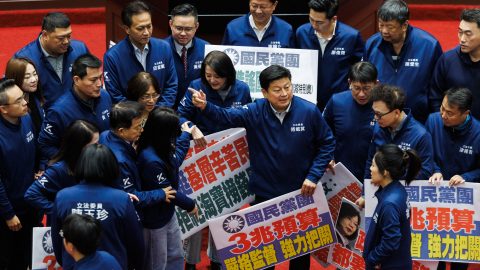
The budget currently faces roughly $3.16 billion in cuts initiated by legislators from the Chinese Nationalist Party (KMT) and Taiwan People’s Party (TPP). If the Lai administration wants to spend more than 3% this year, it would need to allocate 0.92% of GDP or $7.4 billion as a “special budget.”
A “special budget” is a budget proposal created outside the general budget to address major emergencies, and the Executive Yuan may propose a special budget then to be approved by legislators.
Defense ministry officials at the press briefing declined to comment on what would happen if the special budget proposal is rejected by the opposition-led legislature. The officials also declined to comment on the specific military purchases mentioned in the Reuters report but emphasized that the allocation of special budgets follows established principles, with details still being planned.



Leave a Reply