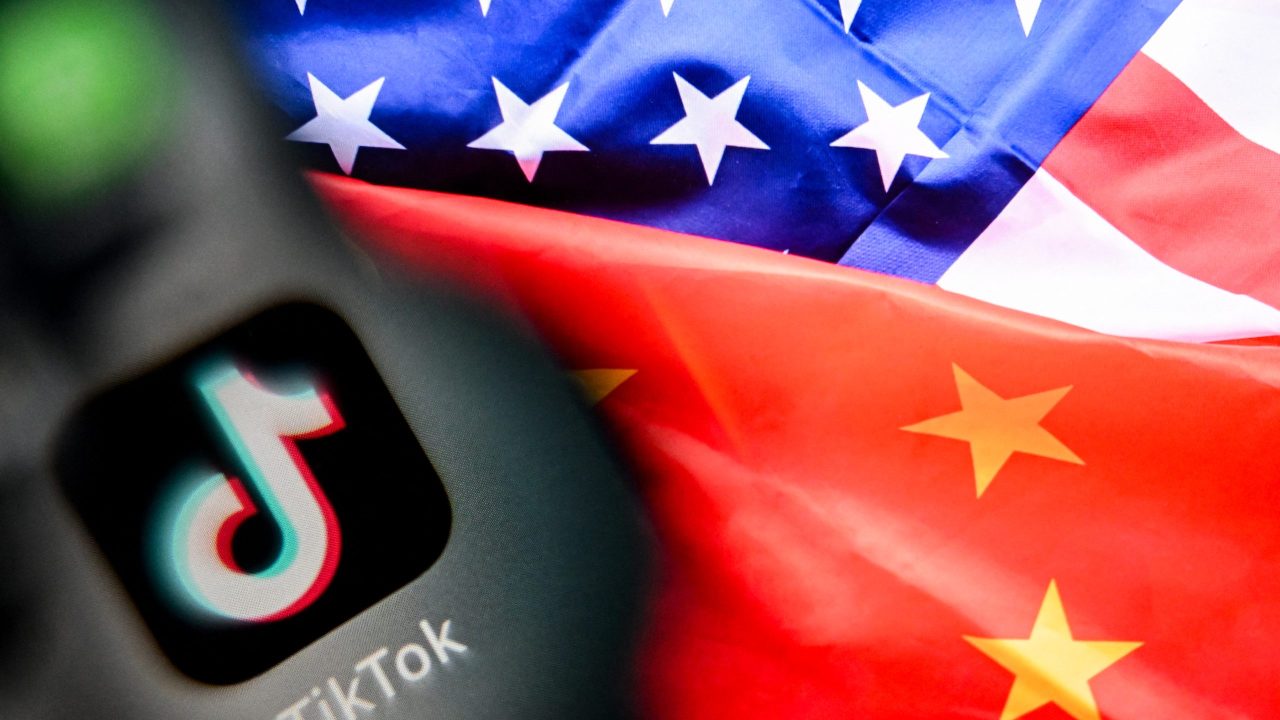
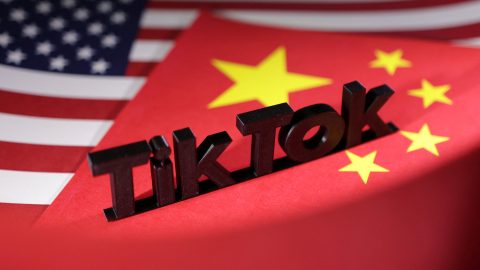
The many months of uncertainty about TikTok’s fate in the U.S. seems to be coming to a close. Axios is reporting that TikTok CEO Shou Chew sent a memo to employees on Thursday that TikTok and parent-company Bytedance had signed onto a deal approved by U.S. President Donald Trump.
U.S. technology giant Oracle, along with private equity firm Silverlake and Abu-Dhabi based investment firm MGX will collectively own 45% of the new U.S. entity. 30.1% will be owned by affiliates of current Bytedance investors and nearly 20% will be owned by Bytedance itself. It will have a seven-member board of directors with an American majority.
The new entity “will operate as an independent entity with authority over U.S. data protection, algorithm security, content moderation and software assurance, while TikTok global’s U.S. entities will manage global product interoperability and certain commercial activities, including e-commerce, advertising, and marketing,” the memo reads. Oracle will be in charge of security.
According to the Associated Press, which saw a copy of the memo, TikTok’s coveted algorithm will be retrained on American data. Yet unnamed sources told NPR that the algorithm will still be owned and updated by Bytedance. This will likely generate concern about whether the deal truly adheres to the stipulations of the Protecting Americans from Foreign Adversary Controlled Applications Act, which is colloquially referred to as the TikTok ban.
Signed into law by former President Joe Biden in April 2024, the TikTok ban addressed concerns that China would leverage its national security laws to compel Bytedance to hand over U.S. user data or influence the content seen on Americans’ feeds. The law required that apps owned by Bytedance divest themselves of their U.S. business or be banned after 270 days. The president can approve a “qualified divestiture,” or one in which Bytedance owns less than 20% of the new entity and maintains no operational relationship with it. TikTok’s appeal to the Supreme Court that the law violated the first amendment right to free speech failed.
On January 19, the social media app went dark for only about 12 hours, after which users were greeted with the following message: “As a result of President Trump’s efforts, TikTok is back in the U.S.!” The next day, the same day he was inaugurated, Trump issued an executive order extending the enforcement of the ban by 75 days on the grounds that the initial deadline gave him no time to assess the national security implications of the TikTok ban or negotiate a resolution. He extended the deadline three more times, instructing the Justice Department to delay enforcement.
It wasn’t until September that we began to see some movement on the deal. The trickiest part was ensuring the transfer of the algorithm. For a divestiture to be qualified, the new U.S. TikTok entity cannot rely on an algorithm owned or operated by Bytedance. Divesting without the algorithm is not an ideal option because TikTok’s algorithm has become somewhat of an irreplaceable, mystical entity all unto itself, and the absence of it would likely result in a weaker user experience. But for Bytedance to transfer control of the algorithm to a divested U.S. company, it would require approval from the Chinese government.
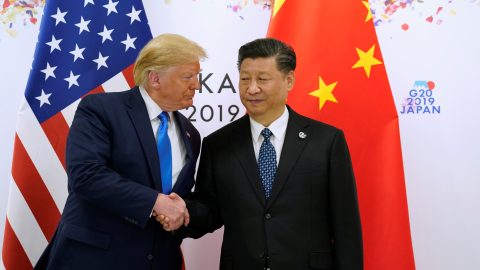
Hence, TikTok has become a complicating factor in trade negotiations between the U.S. and China, which have been ongoing since the spring. After a round of high-level negotiations in Spain in mid-September, Treasury Secretary Scott Bessent announced that a framework for a TikTok deal had been agreed to. Trump had a call with Chinese President Xi Jinping (習近平) a few days later, after which he claimed that Xi agreed to a deal. Neither ByteDance nor China confirmed this. In an executive order issued on September 25, Trump announced that he had finally approved “qualified divestiture” under which the app’s algorithm would be operated and monitored by the new joint venture, and retrained by U.S. data. Subsequent reporting indicated that the U.S. would lease a copy of the algorithm from Bytedance. Bessent told Fox Business Network on October 30 that China had finalized a TikTok deal and that the agreement would be resolved “in the coming weeks and months.”
“If TikTok U.S. is licensing the algorithm from ByteDance and retraining it, is this a one-time transfer of the source code or does TikTok U.S. have to renew it at regular intervals?” Democratic Senator Ed Markey asked last month, according to reporting from Reuters. “Will any changes to the algorithm by ByteDance affect the algorithm that is licensed to TikTok U.S.?” Republican Congressman John Moolenaar, chair of the House Select Committee on China, said that a licensing agreement would raise “serious concerns.”
TikTok CEO Chew said the deal will be completed by January 22, 2026. Additional details about how the new arrangement will unfold will hopefully follow.



Leave a Reply