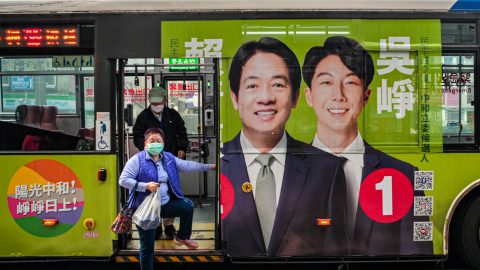
With less than one month to go before the 2024 Taiwan presidential election, Taiwan’s three main political parties sent representatives to the Central Election Commission (CEC) on Monday to draw lots for the order in which they will be listed on the ballot. Democratic Progressive Party (DPP) vice presidential candidate Hsiao Bi-khim (蕭美琴) arrived first and drew the second position, followed by Taiwan People’s Party (TPP) presidential candidate Ko Wen-je (柯文哲), who drew the first position. The Chinese Nationalist Party (KMT) was represented by Li Li-chen (李利貞), a spokesperson for Hou Yu-ih’s (侯友宜) campaign office, who drew the third position.
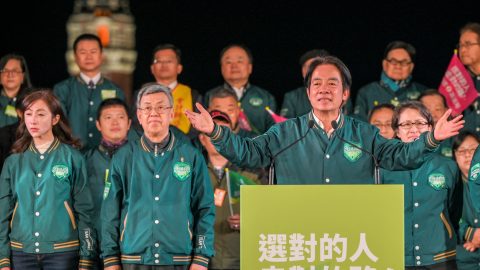
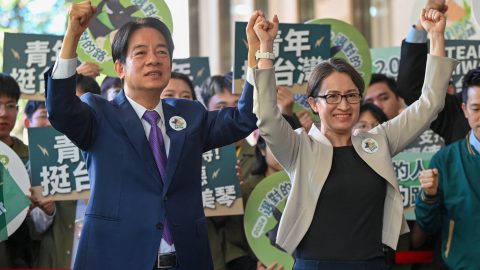
DPP presidential candidate Lai Ching-te (賴清德) this week released a new campaign video asking viewers, “What is the authentic Taiwanese flavor?” (什麼才是「正港的台灣味」?) The ad shows various mesmerizing and fragmented experiences one may experience here in Taiwan, though its message is not clear.
During a press conference on Thursday, DPP city councilors disclosed that borough wardens across various districts in Tainan have visited China on tours mostly paid for by Beijing. This came after Taipei City Councilor Chien Shu-pei (簡舒培) of the DPP last week revealed that a group of borough wardens in the capital have been actively inviting residents to join group tours to China. The itineraries for these trips include “factory visits arranged by the People’s Congress Standing Committee” and “events hosted by generals.”
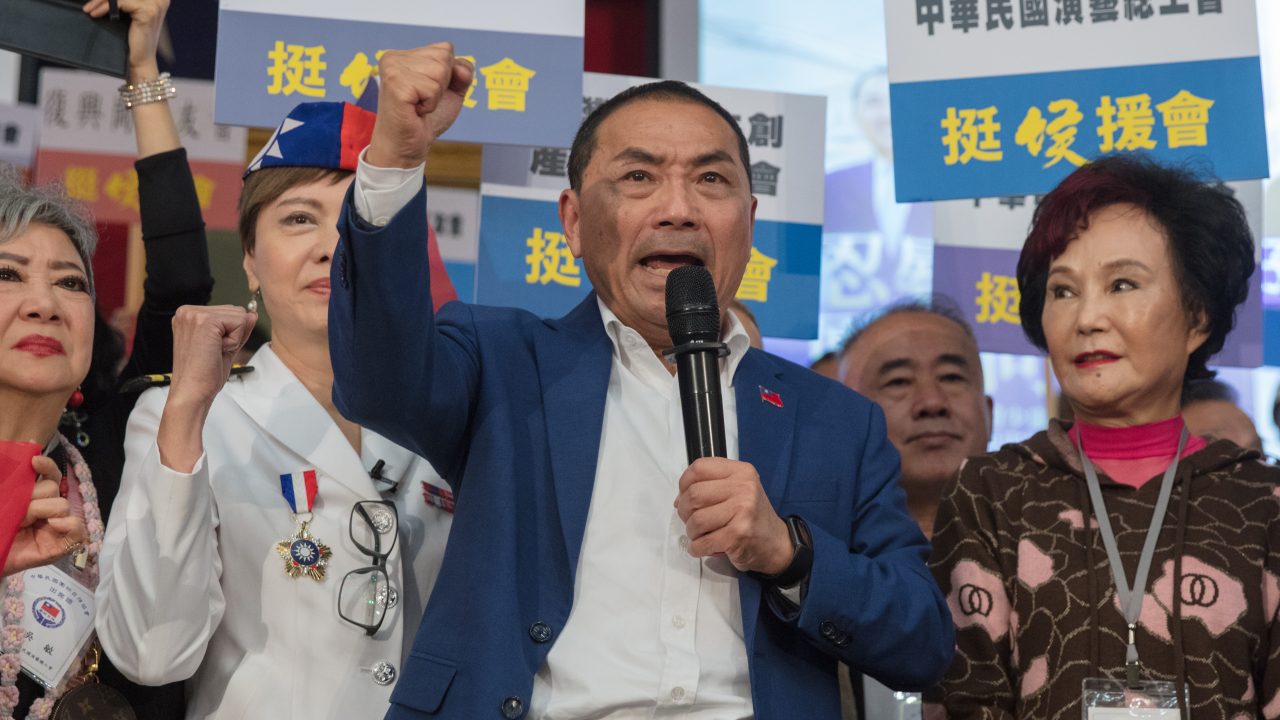
KMT candidate Hou Yu-ih on Monday announced his defense and foreign policy proposals. Regarding national defense, Hou proposed increasing the salaries of professional soldiers, enhancing military collaboration with the U.S., allocating additional funds toward asymmetric weapons and drones, and broadening training initiatives focused on urban warfare. For foreign affairs, he said he was committed to pursuing a “friendly neighbor” diplomacy, with a specific emphasis on Indo-Pacific countries. The KMT candidate further promised to align closely with the U.S. and its allies, adopting a “shoulder to shoulder” stance. Hou also articulated his determination to advocate for Taiwan’s accession to the Comprehensive and Progressive Agreement for Trans-Pacific Partnership (CPTPP) and active involvement in the Indo-Pacific Economic Framework (IPEF).
Instead of visiting different parts of Taiwan to campaign, the TPP and Ko have been live-streaming a daily program called “KPTV” on YouTube. In each segment, Ko poses questions to his political opponents, then gives his takes on these questions. During Thursday evening’s segment, Ko said voting for the DPP will bring either conflict or poverty (選擇民進黨就是等著戰爭或貧窮), while voting for the KMT will not bring peace but capitulation (選擇國民黨不是和平是投降). Voting for the TPP, he said, will bring “peace with sovereign dignity” (選擇民眾黨既保有和平又不失國格).
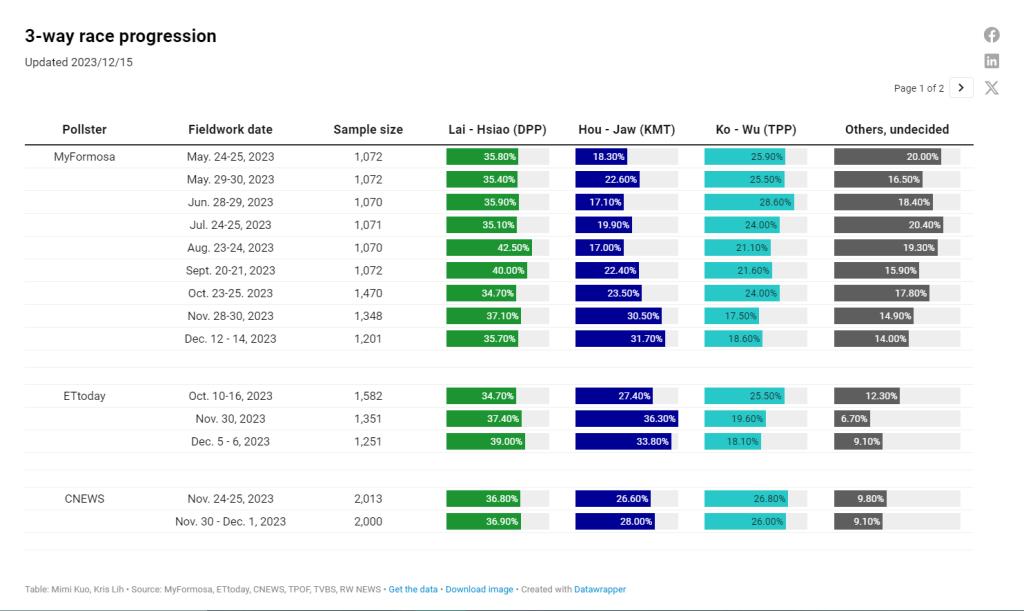
My-Formosa’s latest poll indicates the gap between the DPP and KMT is slowly widening. DPP candidates Lai and Hsiao saw a small increase in support this week, from 34.7% to 35.7%. The KMT’s Hou and Jaw Shaw-kong (趙少康) saw their support rise marginally from 31.2% to 31.7%. Support for Ko and Wu of the TPP increased from 16.8% to 18.6%. The percentage of undecided voters fell from 17.3% to 14%.
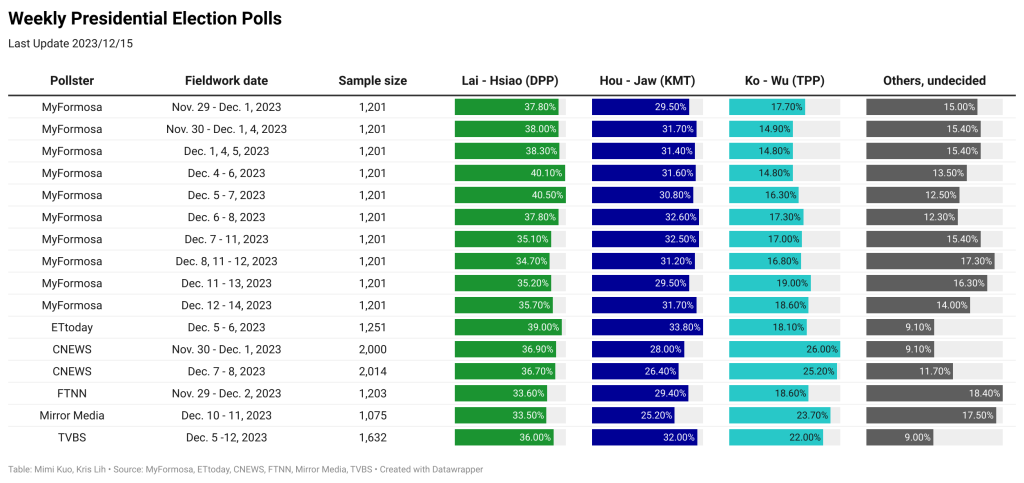
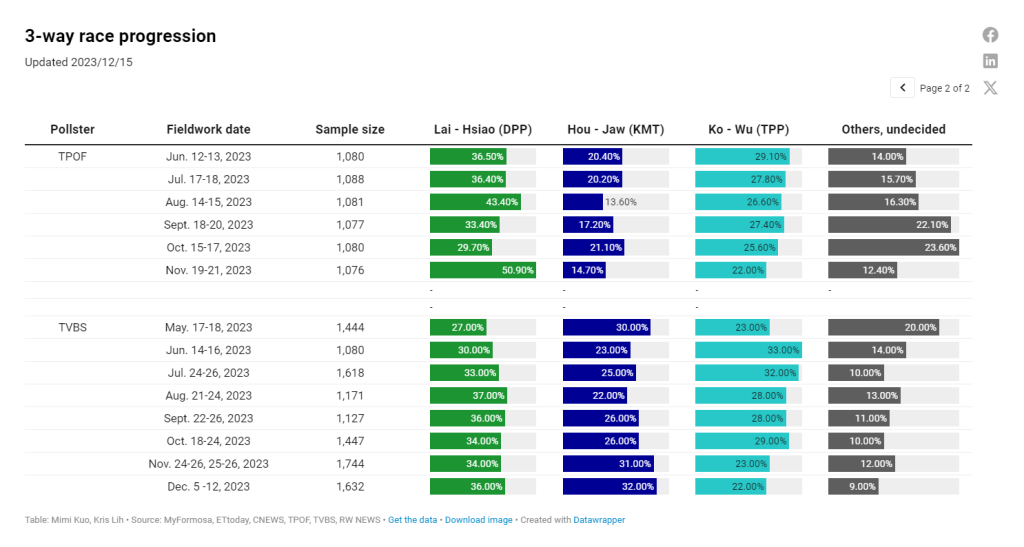
The monthly poll from broadcaster TVBS, released this week, indicates an increase in support for both the KMT and DPP. The TVBS poll found 36% of voters favor Lai and Hsiao, 32% prefer Hou and Jaw, while 22% would vote for Ko and Cynthia Wu (吳欣盈). The gap between the KMT and DPP has remained within 4 percent in the TVBS poll since Taiwan’s presidential candidates officially registered their candidacies.



Leave a Reply