
Taiwan’s Ministry of Economic Affairs said today the country will purchase 6 million metric tons of gas annually from a liquefied natural gas, or LNG, project in Alaska and invest up to $4.4 billion in the project’s development, confirming comments made yesterday by President Donald Trump.
The Alaska LNG project is a multi-billion effort to transport LNG from Alaska’s North Slope to an export terminal located in the southern port of Nikiski via a new pipeline. The project is targeting East Asian buyers. Taiwan’s CPC oil company signed a letter of intent in March 2025 to invest in the project, which Alaska’s governor previously said included a pledge to buy 6 million metric tons of LNG per year. But details of the deal, including the scale of the investment, had not yet been confirmed by Taiwan until today.
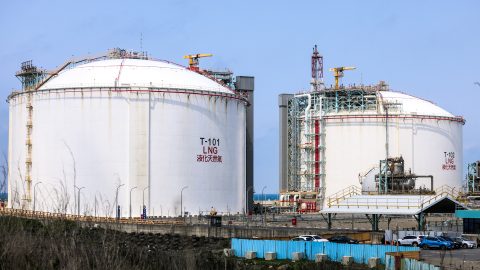
Taiwan is a major energy consumer relative to its size, due in large part to its booming semiconductor industry, which according to some estimates is driving GDP growth to 11% this year. The country’s electricity grid is almost entirely reliant on imported energy, particularly LNG, which powered 53.3% of Taiwan’s electricity production in 2025, up 6% from the previous year. Taiwan imports 99% of its LNG supply.
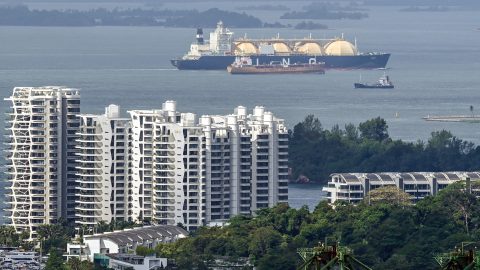
Taiwan’s vulnerability to disruptions in LNG imports was thrown into sharp relief this year when Iran effectively halted shipping through the Strait of Hormuz in March. Practically overnight, about one-third of Taiwan’s LNG supply evaporated. Taiwan has managed to secure replacement cargoes in the short term, but these purchases are more sensitive to price volatility than LNG secured through long-term contracts.
The Alaska pipeline will help Taiwan diversify its energy supply and strengthen its energy resilience, the Economic Ministry said. CPC said in February that it planned to increase U.S. purchases of LNG to one third of total imports.
“[T]he Alaska LNG project benefits from a strategic location, as shipments could reach Taiwan directly via Pacific shipping routes. This would help diversify natural gas transportation routes and reduce geopolitical supply risks,” the Economic Ministry said, adding that 2032 is the earliest date by which Taiwan could begin importing gas from the project.
Reuters reported last month that the Alaska pipeline is at risk for cost overruns, which could result in higher LNG prices.
Taiwan’s participation in the Alaska pipeline may also serve a broader purpose of “energy diplomacy” with Trump, contributing to his efforts to rebalance trade and attract Taiwanese investment.
Speaking yesterday about the Taiwanese LNG investment at a campaign rally in Wasilla, Alaska, Trump said of Taiwan: “They’ve got lots of money because, you know, they stole our chip business years ago.”




Leave a Reply