Taiwan’s electricity supply buffer is shrinking.
The reserve margin, or the amount of extra capacity available for electricity generation, is expected to narrow between 2028 and 2029. It may even fall below the statutory 15% target, Cheng Ching-hung (鄭慶鴻), the deputy general manager of Taipower, Taiwan’s state-run power company, told a forum on the sidelines of a renewable energy and net-zero trade show in Taipei last week.
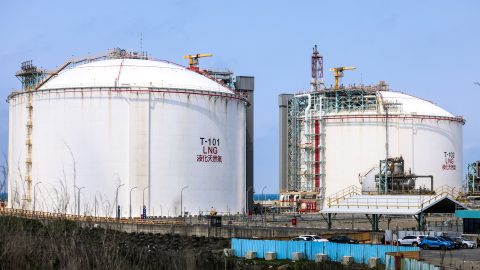
To deal with growing electricity demand, Taipower plans to add 25 large natural-gas-fired generating units and 43 substations over the next 10 to 15 years. But in the meantime, the island faces a planning challenge.
One part of this challenge is uncertainty when it comes to future supply and demand. On the one hand, Taiwan’s chip manufacturers are power hungry yet predictable consumers of electricity. Calculating projected energy consumption for the entire chip industry over the next decade requires that Taipower look to the few companies that steer the ecosystem, said Taipower’s chairman, Tseng Wen-sheng (曾文生) on Wednesday. On the other hand, AI adoption involves not only power-hungry data centers, but also the diffusion of AI use across households and businesses. Geopolitical shocks like the Iran conflict and the closure of the Strait of Hormuz have also impacted energy availability and prices in unpredictable ways.
Another challenge is long lead times for electricity infrastructure. Only three manufacturers worldwide can supply large gas turbines, which Cheng said are “the backbone of our electricity supply.” Their combined annual production capacity is approximately 60 to 70 units, but orders last year reached more than 110. As a result, orders that used to take two years to arrive now take four.
A final bottleneck is the technical workforce needed for power engineering, said Cheng. These are the people responsible for advanced technical tasks and quality control.
As a result of these challenges, Taipower is calling for closer collaboration with industry in developing new plans for future electricity supply.
For one, electricity availability needs to be calculated at the very first stage of an investment decision. “In the past, when companies decided where to invest, they looked at the availability of land,” said Tseng. “But over the past two years, the first important investment decision has become whether electricity can be supplied in time.” Answering questions from reporters after the forum, Tseng said Taipower is wary of speculative proposals from companies applying for electricity supply approval, and needs to see that the capital for electricity supply has been raised in advance.
Second, the location of new factories and data centers matters. Taipower’s highly interconnected power grid can allow localized disturbances to have cascading effects, as the island-wide power outage in 2022 demonstrated. As Taipower works to fortify and distribute the power grid, AI has given the strategy an additional purpose: Taipower is now considering dedicated lines to supply science parks and other areas of highly concentrated electricity use. “The closer the electricity supply is to the load, and the more directly it can be delivered, the better,” Cheng said.
Bringing the data center closer to the electricity source shortens transmission distances and reduces costs, said Tseng.
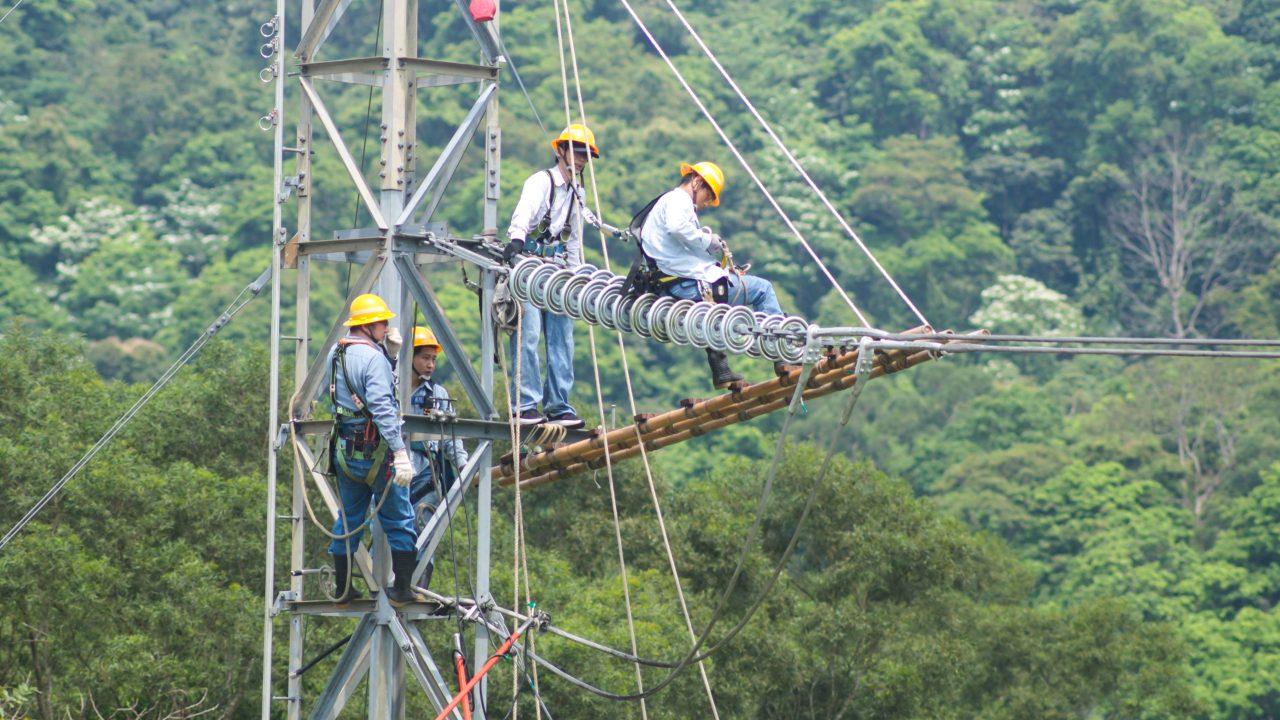
AI will also require Taipower to upgrade the older, urban parts of the grid. “I strongly suspect that, in the future, a great deal of Taiwan’s AI-related electricity consumption will be distributed into households and other small locations,” Tseng said, adding that already, large technology companies often have their own AI server racks tucked away in corners of their offices. These upgrades will be difficult, as Taiwan’s transmission lines and infrastructure are densely packed together. In Kaohsiung, for example, Taipower had to dig a tunnel 70 meters underground to install power cables.
Taipower will likely have some help in these endeavors from large electricity consumers. The legislature passed amendments to the Energy Administration Act in August that require new or expanding large electricity users to install self-use generation or energy storage. Specific threshold and installation requirements have yet to be adopted.
Speaking during a panel on AI and energy on Thursday, Le-Ren Chang-Chien (張簡樂仁), a professor at National Cheng Kung University’s Department of Electrical Engineering, said the ability for large scale energy users to supply their own power is key to Taiwan’s energy resilience.
“You have to bring your own lunchbox, so to speak.”


Leave a Reply