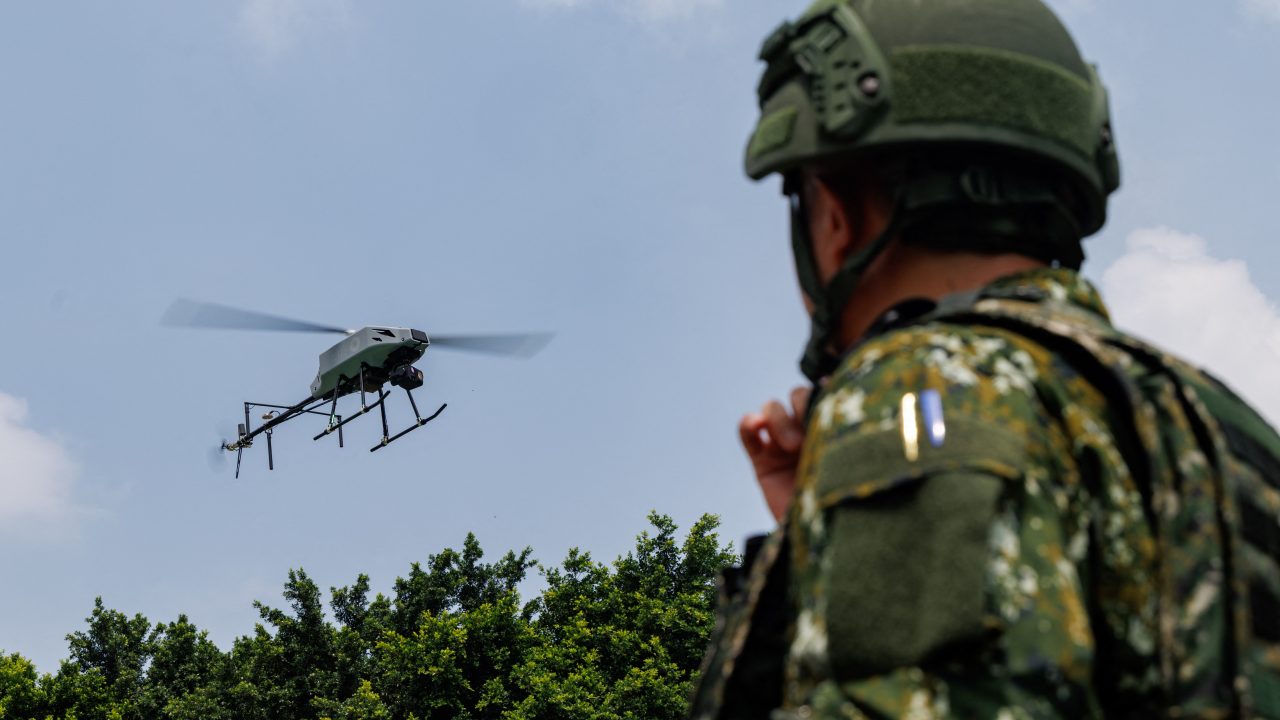
Taiwan’s opposition-led legislature approved 240 billion New Taiwan dollars ($7.6 billion) over six years in government funding for the country’s drone industry Thursday, ending months of partisan gridlock.
The vote broke down along party lines, with the Chinese National Party (KMT) joining its legislative ally, the Taiwan People’s Party (TPP) to push the measure through.
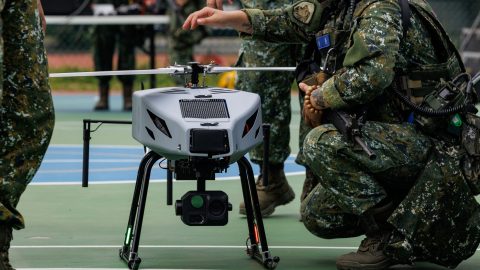
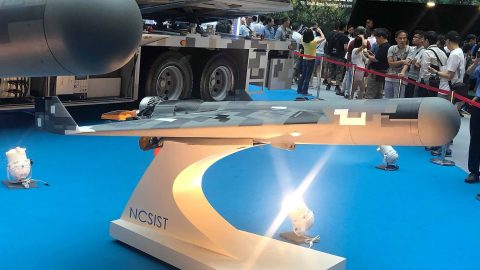
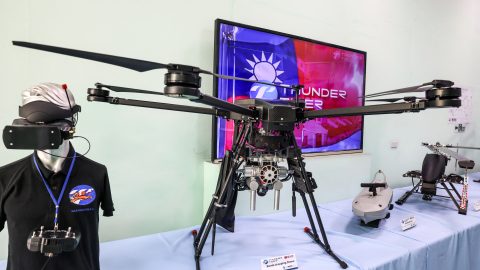
The bill tasks Taiwan’s economic affairs ministry with allocating up to NTD 40 billion ($1.3 billion) of the country’s national budget each year to support the country’s nascent drone industry, which has taken off in recent months on the strength of exports to Europe and the Middle East.
The ruling Democratic Progressive Party (DPP) had proposed its own NTD 210 billion ($6.6 billion) funding bill, which would have provided Taiwan’s defense ministry with a lump sum up front. Advocates of the DPP plan had argued that it would allow the government to be more flexible with funding for the drone industry, whose industrial development cycle is unlikely to be linear.
But the KMT opposed a lump sum, arguing that it would open the door for corruption in the procurement process. Under the version passed on Thursday, the money for drones will be subject to yearly approval by the legislature.
That means more oversight, but also the potential for further legislative grandstanding of the kind that the KMT has practiced over the past year. Some analysts say that even the prospect of future delays could make Taiwan’s dronemakers reluctant to aggressively ramp up their production lines.
The new bill will “inject uncertainties for Taiwan’s domestic drone manufacturers who are seeking clarity in the budget and the government’s plan to support their transition into a relatively new field,” said William Yang (楊皓暐), Crisis Group’s senior analyst in North East Asia.
U.S. officials have expressed their dissatisfaction at the lack of focus on domestic drone development in Taiwan’s defense efforts. “I’m a strong advocate for the US-Taiwan relationship, regardless of politics in Taiwan,” Senator Dan Sullivan wrote on X after meeting with KMT Chairwoman Cheng Li-wun (鄭麗文) in June. “But, as I told her, we need KMT to join with the DPP to finish the defense budget.”
In providing support for drones, the new bill addresses one of the three initiatives that the opposition cut out of the government’s proposal when it passed the $25 billion special defense package in May. It fails to provide support for the integration of AI into Taiwan’s military operations, as well as a comprehensive air defense system named after Israel’s Iron Dome.
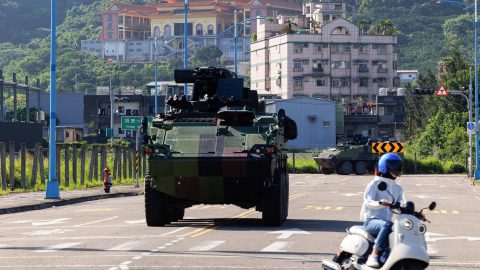
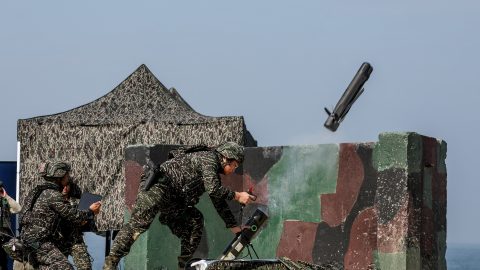
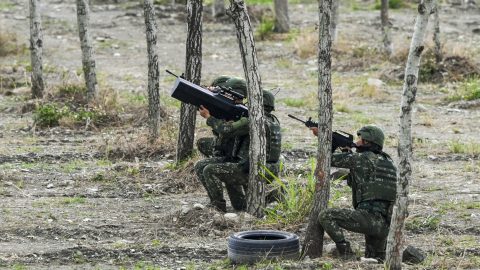
Yang said the new bill will be “a setback to the Taiwanese government’s plan to enhance the Taiwanese military’s asymmetric defense capabilities.”
In comments to the press following the drone bill’s approval, DPP Premier Cho Jung-tai (卓榮泰) declined to say whether he was satisfied with the outcome. “What matters to me is whether the legislation that has been passed meets the country’s needs, specifically, does it align with our need for self-reliant defense capabilities and development of the drone industry? National security is my priority,” he said.
Leave a Reply