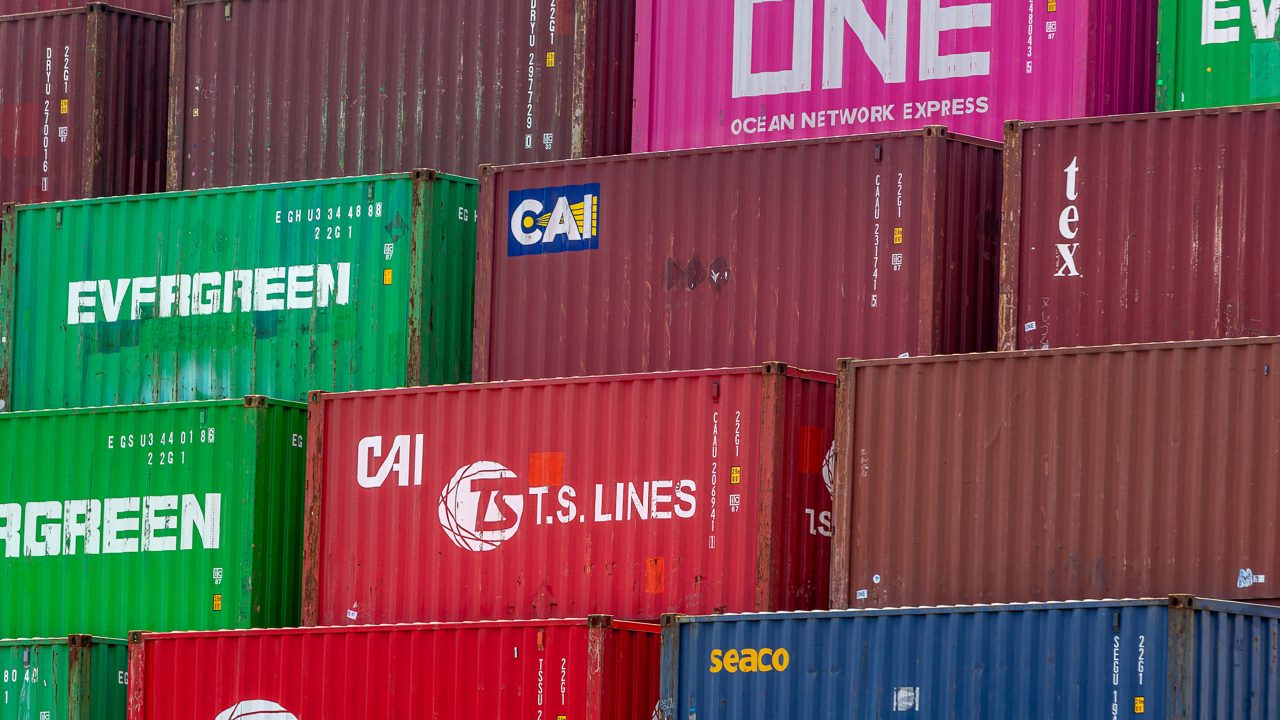
Taiwan expects to maintain its 15% tariff rate on exports to the U.S., despite the Trump administration’s announcement of a new round of tariffs earlier this week.
The new tariff regime, which the Office of the United States Trade Representative, or USTR, announced for 14 countries including Taiwan on Wednesday, proposed penalties of up to 25% in some cases for manufacturing overcapacity under Section 301 of the Trade Act of 1974.
Taiwan’s government does not expect the new tariffs to be tacked on top of the existing rate, Vice Premier Cheng Li-chiun (鄭麗君) said in a press conference Thursday.
The new tariffs targeted China, the European Union, Japan, South Korea and Taiwan, among other countries, all of which the USTR said maintained industrial policies that contributed to excess manufacturing capacity.
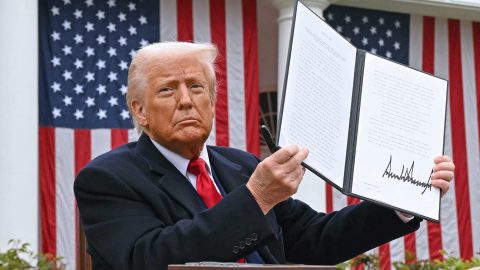
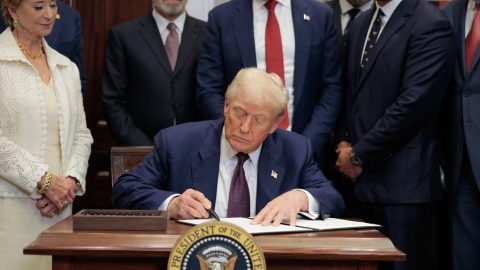
The USTR’s latest move represents the second phase of the Trump administration’s efforts to establish a more durable legal justification for the “Liberation Day” tariff rates introduced in April 2025.
Taiwan initially faced a 32% tariff rate, a number it then negotiated down to the same 15% applied to Japan and South Korea. In practice, goods exported from Taiwan to the U.S. have faced an average tariff of 7% because of a series of exemptions for semiconductors and AI hardware that Taiwan’s government secured in negotiations with the U.S.
The “Liberation Day” tariffs, which were imposed under the International Emergency Economic Powers Act, were struck down by a Supreme Court ruling in February. The Trump administration then set out to replace that justification with a new legal rationale.
In June, the Trump administration announced a 10% tariff rate based on forced labor concerns in countries around the world. At the time, Riley Walters, a senior fellow at the Hudson Institute who specializes in international economics, told Domino Theory that the Trump administration’s most likely strategy would be to replace the 15% rate with 10% from forced labor and 5% from overcapacity.
In 2025, the U.S. had a $146.8 billion trade deficit with Taiwan, one of the largest in the world. America became Taiwan’s top trading partner in the first quarter of 2026, a reflection of the strength of the AI hardware trade between the two countries.
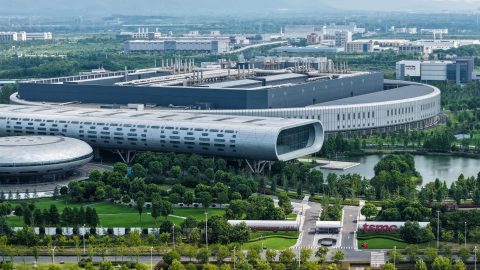
Despite President Donald Trump’s frequent declarations that Taiwan “stole” America’s semiconductor industry, the reliance of America’s AI data center boom on Taiwanese suppliers has helped to shield Taiwan from some of the more harmful impacts of Trump’s tariff policies.



Leave a Reply